



The Moroccan Caftan for Men: The Story of a Garment Once Reserved for Women
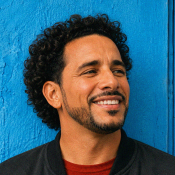
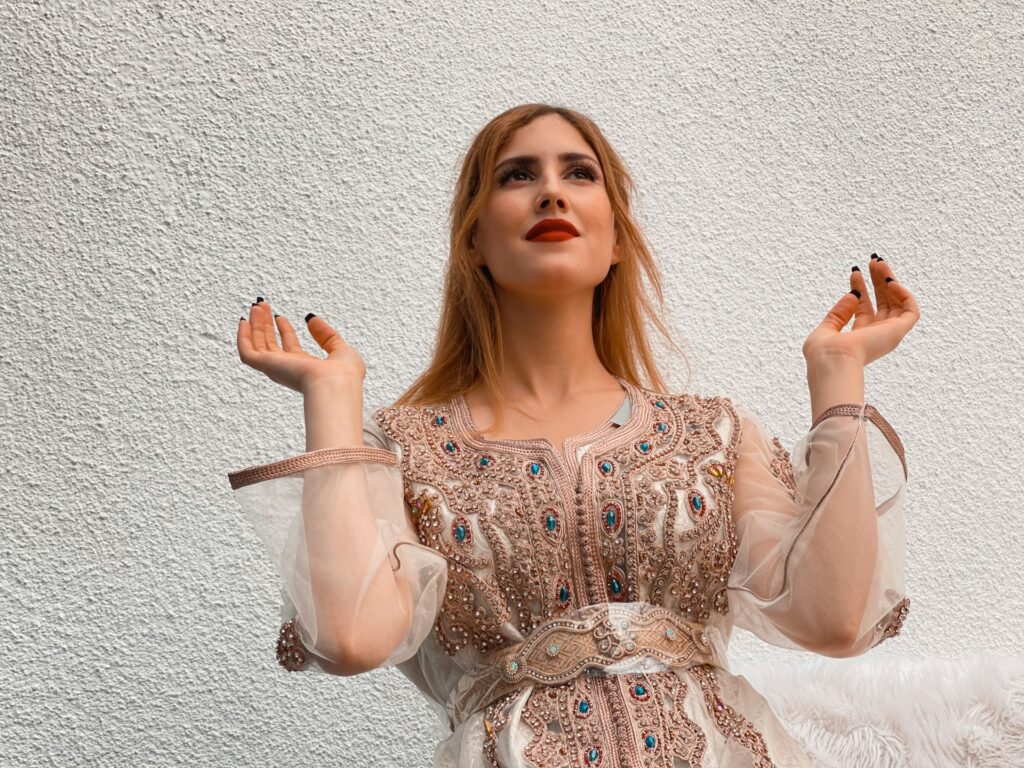
The Moroccan caftan — that sumptuous speaker of femininity and grace — is so much more than an article of clothing. It is, and always has been, a marker of identity and lineage, and an emblem of Morocco’s elevated taste. The caftan was first recorded in the 12th century under the Almohad dynasty, specifically as a formal and ceremonial dress. It eventually became a work of art worn by women at weddings and special occasions.
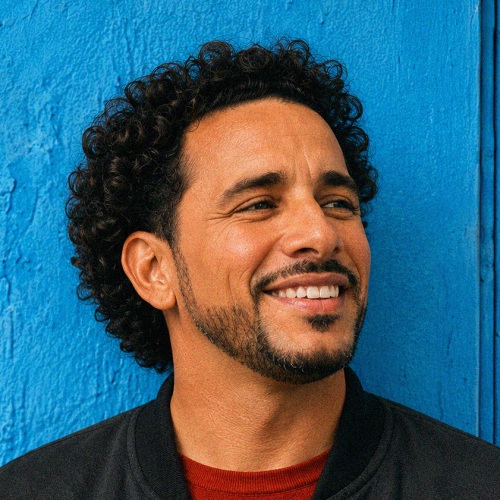
But is There Such a Thing as a Moroccan Caftan for Men?
The phrase “Moroccan caftan for men” has made its way across fashion runways and conversations in recent years. Nevertheless, Moroccan men tend to think it’s all about the three-piece suit but actually they traditionally wear something more akin to a djellaba – a functional, elegant piece of clothing. The caftan, however, has always been a very feminine symbol. It’s not that men aren’t allowed to wear something like the caftan, but this one was artfully made with a feminine spirit, with detail and embroidery to display the beauty and the sophisticated taste of Moroccan women.
While there have been occasional efforts to bring the caftan into menswear for today, such attempts mostly live and die on the runway and in trend experiments. They are not a natural outgrowth of the classical heritage.
A Heritage at Risk: The Battle for the Caftan
The caftan’s challenges go beyond modern reinvention. There have also been other countries that have tried to stake their claim in it. In March 2023, when Algeria presented a file to UNESCO that featured a photo of the Fassi caftan as a component of the Algerian heritage. This sparked a major controversy that has led Morocco to submit its own very detailed file to list the Moroccan caftan and the knowledge about its making as part of the Intangible Cultural Heritage of Humanity. A decision is expected in December 2025 during UNESCO’s 20th Heritage Committee session.
The Moroccan file highlighted the fine print of the caftan: its luxurious materials (brocade, silk, velvet), classic embroidery styles ( fetla, hisab), and the artisanal practices that went into it: all the way from weaving and tailoring to the delicate craft of hand-embellishment (tnabat).
Leo Africanus’ Account of the Moroccan Caftan
Moroccan clothing’s early history is recorded in the writings of long-traveled scholar and traveler, Hasan al-Wazzan, who is still remembered in Europe as Leo Africanus, in his descriptions of the clothing worn in the Maghreb and by his account, presented a detailed catalogue of what the people wore. He noted (Jean-Léon Africain, Description de l’Afrique, vol. I, p. 207–208):
The women are very well dressed. In summer, they wear only a chemise cinched with a rather ugly belt. In winter, they wear robes with large sleeves, stitched in front like the men’s.
This is a significant description, as it points up the obviousness of the women’s caftan as a traditional garment, different from men’s at the time.
The Evolution and Feminine Legacy of the Caftan
The Moroccan caftan has steadily been modified over the centuries; cuts, embroideries, and fabrics have all changed, but it has always remained a quintessential women’s piece. As some contemporary designers test new ways of men wearing the caftan, Moroccan culture still has strong gender divisions in the garment, with the caftan traditionally intended for woman’s body and the djellaba for men.
Ultimately, the Moroccan caftan is more than a fashion statement. There is the mark of history and the legacy of a civilization that has managed to remain in its form and contour despite the age-old winds of changes and progress shimmering in it.
Conclusion: Tradition and Transition of the Moroccan Caftan
The Moroccan caftan Dress is more than simply traditional clothing — it is a colorful representation of Moroccan heritage, history and identity. Though it has always been associated with women, grace and craftsmanship, some recent fashion experiments have led to discussions about its place in men’s fashion as well. But at its core, the caftan still has a deeply feminine legacy and cultural weight.
While Morocco strives to protect this garment amid globalization, the caftan is an amazing sign of how a nation is trying to save its past. Ultimately, the Moroccan caftan is the final sojourn to this timeless world of art and tradition, weaving the past and the present into the loops of thread.
Planning a customized Morocco trip? Share your travel date, group size, pickup city and comfort level on WhatsApp so we can send a faster, more accurate quote.