
Table of contents29
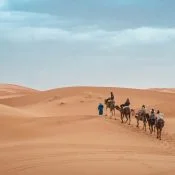
The dunes of Merzouga are what motivate many travellers to book a three-day Sahara journey from Marrakech. They imagine the camel ride, the sunset and the night in a desert camp. I understand why. But I always tell our guests: reaching the sand dunes is the destination; the real experience unfolds along the way.
Key takeaways
- We spend the first night in the Dades Valley and the second at a desert camp near Merzouga, with a sunset camel ride across the Erg Chebbi dunes.
- There is plenty to see before we reach the Sahara: the High Atlas, Aït Ben Haddou, the Valley of Roses and Todra Gorge are all part of the journey.
- Day three is a long drive back to Marrakech through Nkob and the Draa Valley. I recommend keeping your evening free rather than booking something with a fixed start time.
Quick answer
On this three-day tour from Marrakech, we cross the Atlas Mountains, spend a night in the Dadès Valley, then continue to Merzouga for a camel ride and a night at a Sahara desert camp. The next morning we head back to Marrakech via Nkob and the Draa Valley. It is a beautiful way to see the sand dunes, but I always tell travellers to expect some long hours on the road, especially on the last day.
We cross the High Atlas Mountains, explore Aït Ben Haddou and its caravan history, visit Ouarzazate and the Valley of Roses, and spend our first night in Dadès gorges. The next day brings us to Todra Gorge, Erfoud, Rissani and finally Erg Chebbi. On the way back, we travel through Nkob, the Draa Valley, Agdz and the mountains near Aït Saoun.
Let me take you through the three days as I would explain them to travellers joining us. I’ll share what we stop to see, what makes each place worth our time and the practical details that matter on a journey with long stretches of driving.
Day 1: Marrakech to Dadès Valley – The Atlas Mountains, Ancient Kasbahs and the Valley of Roses
Crossing the High Atlas Mountains and Tizi n’Tichka Pass
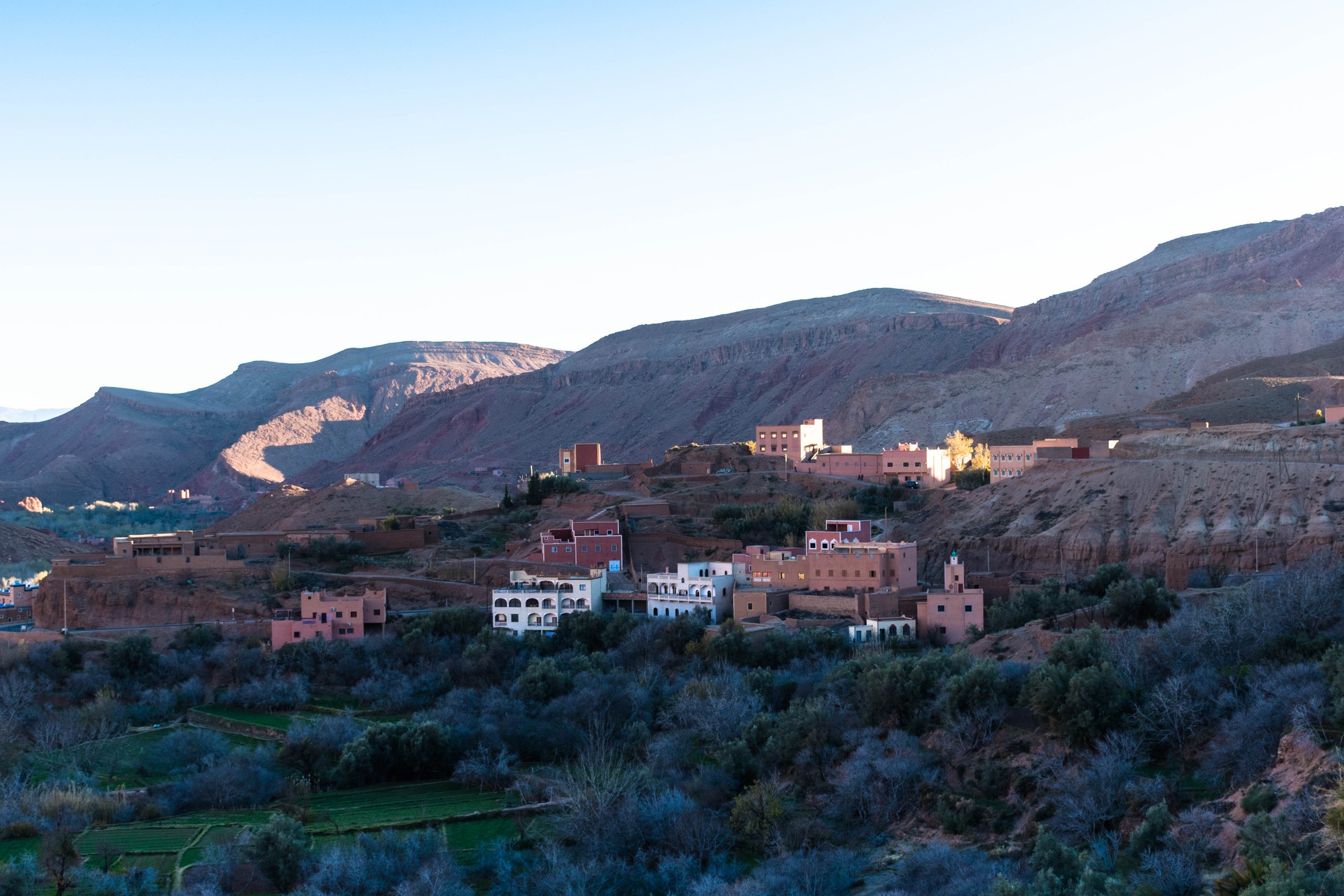
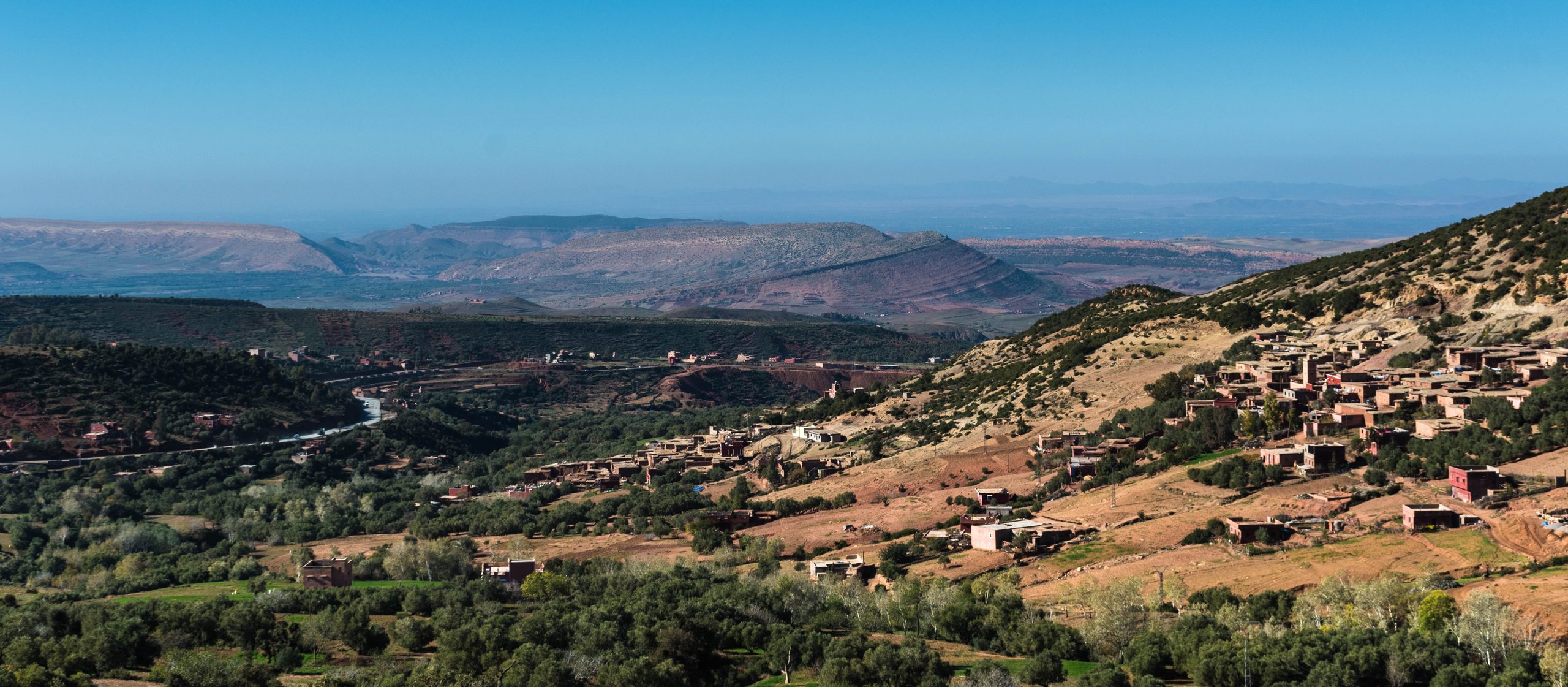
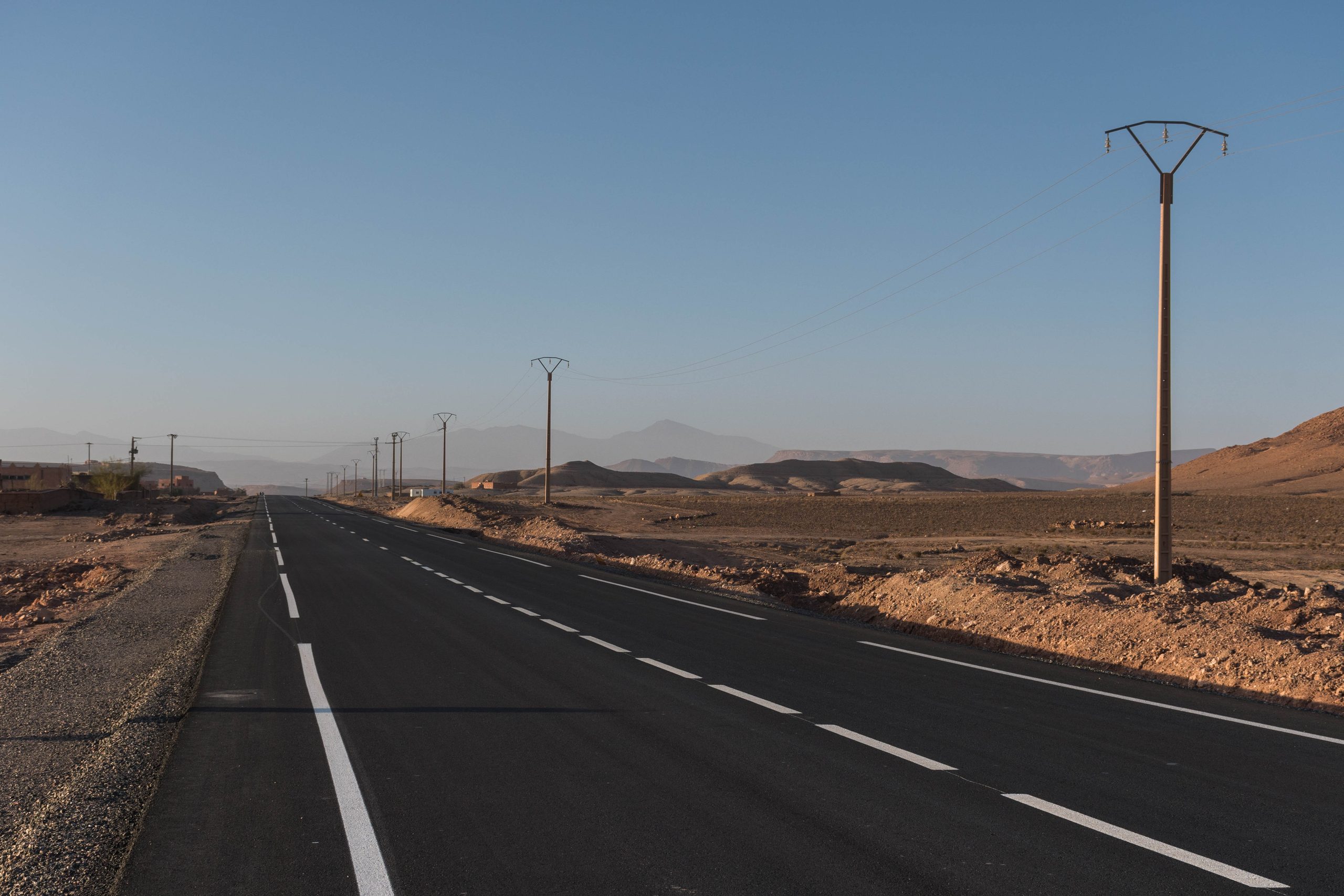
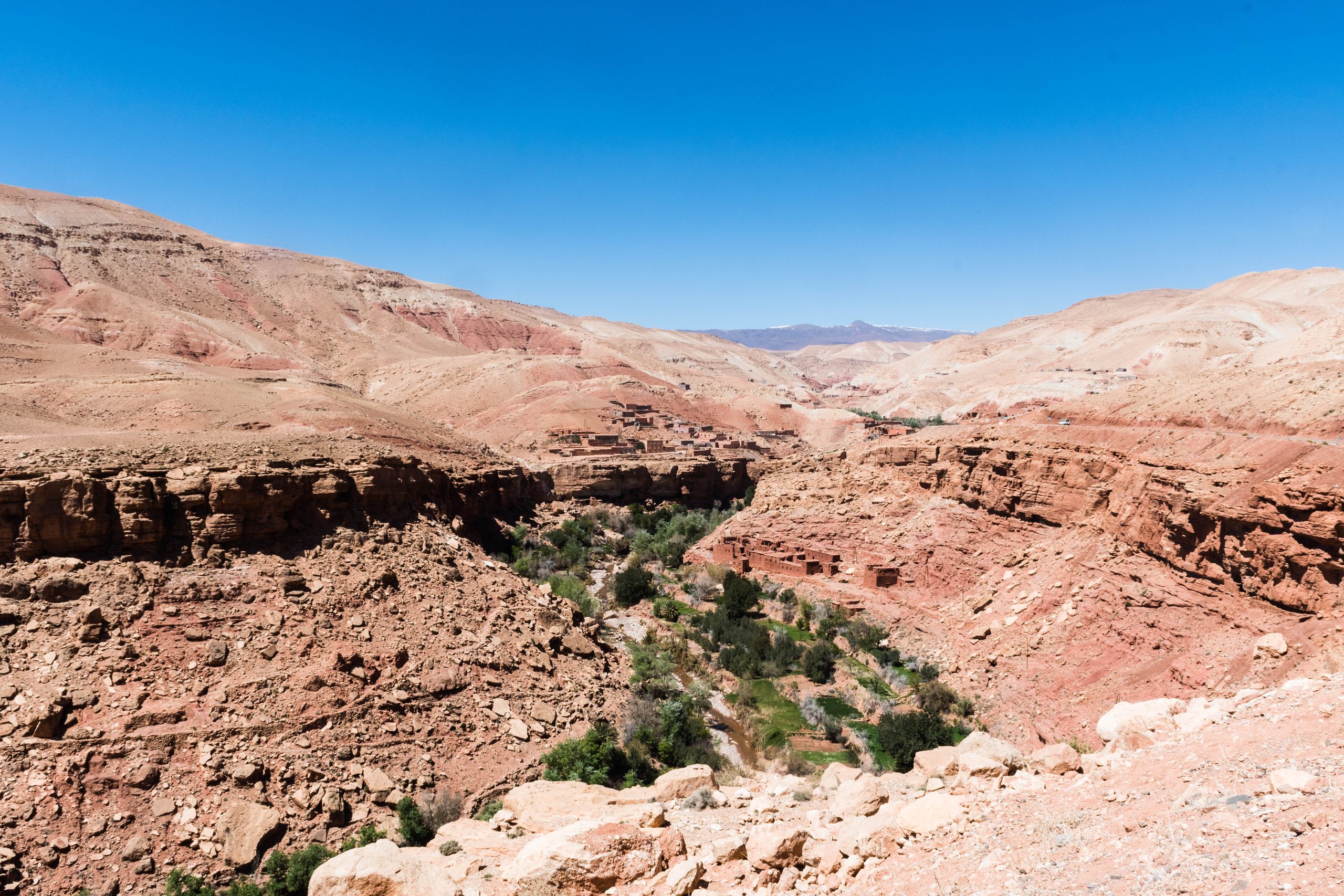
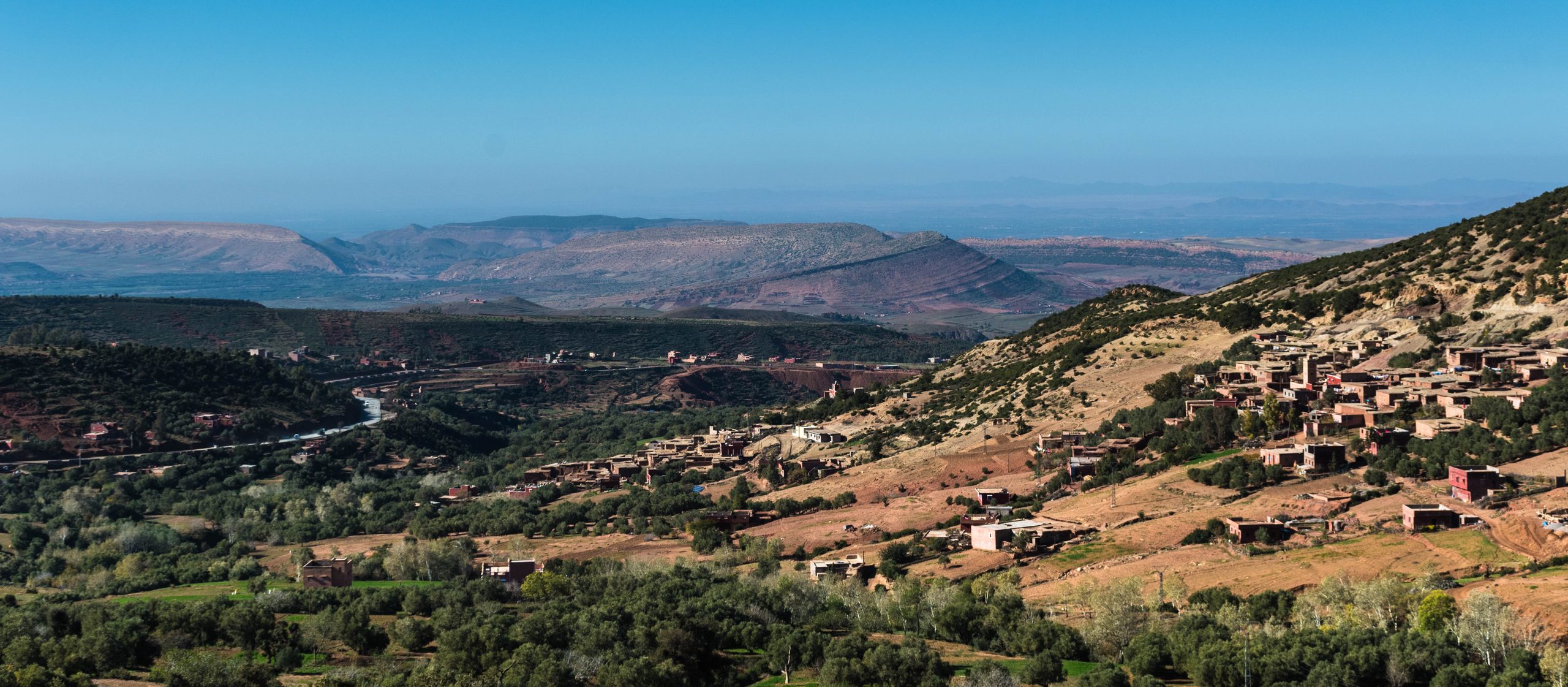
We leave Marrakech in the morning and start climbing into the High Atlas Mountains. I always tell travellers to look out of the window on this stretch: the road winds through villages on the slopes, and the views change around almost every bend. The mountain crossing is already part of the experience, not just a drive to our first stop.
We cross the Tizi n’Tichka Pass, around 2,260 metres above sea level. In winter, the highest peaks can be covered in snow. Farther down, the valleys can look completely different, with dry reed-colored hills and villages built against the rock.
We stop at viewpoints along the way when conditions allow. It is a chance to see the winding mountain road from above before continuing to the southern side of the Atlas.
The Ancient Caravan Routes to Aït Ben Haddou
After the pass, we take a left side road towards Aït Ben Haddou. I love to explain the old caravan history while we’re still on the way. Merchants once crossed these valleys with camels on trading routes linking the Sahara with Marrakech and towns to the north; the landscape makes that history easier to imagine.
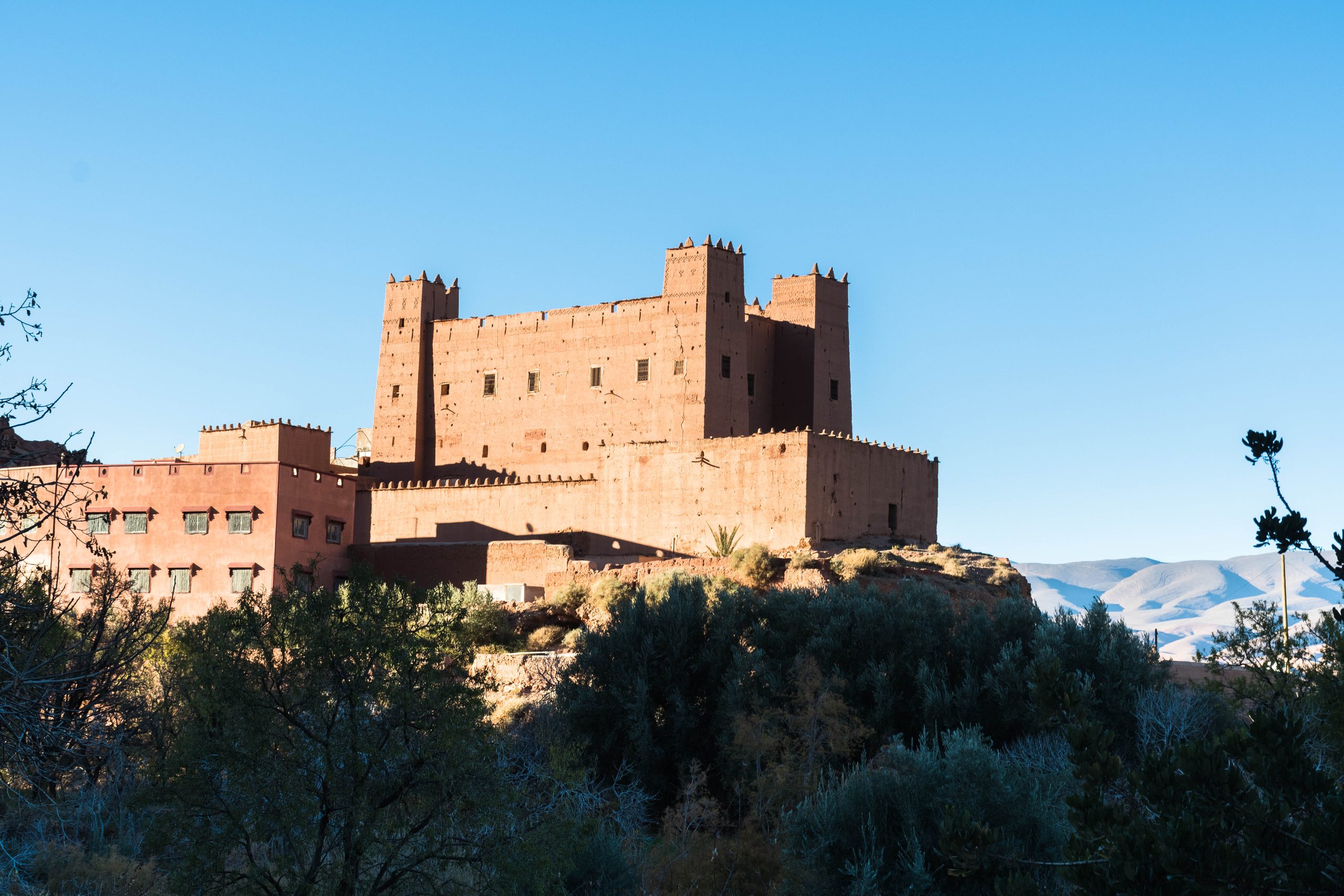
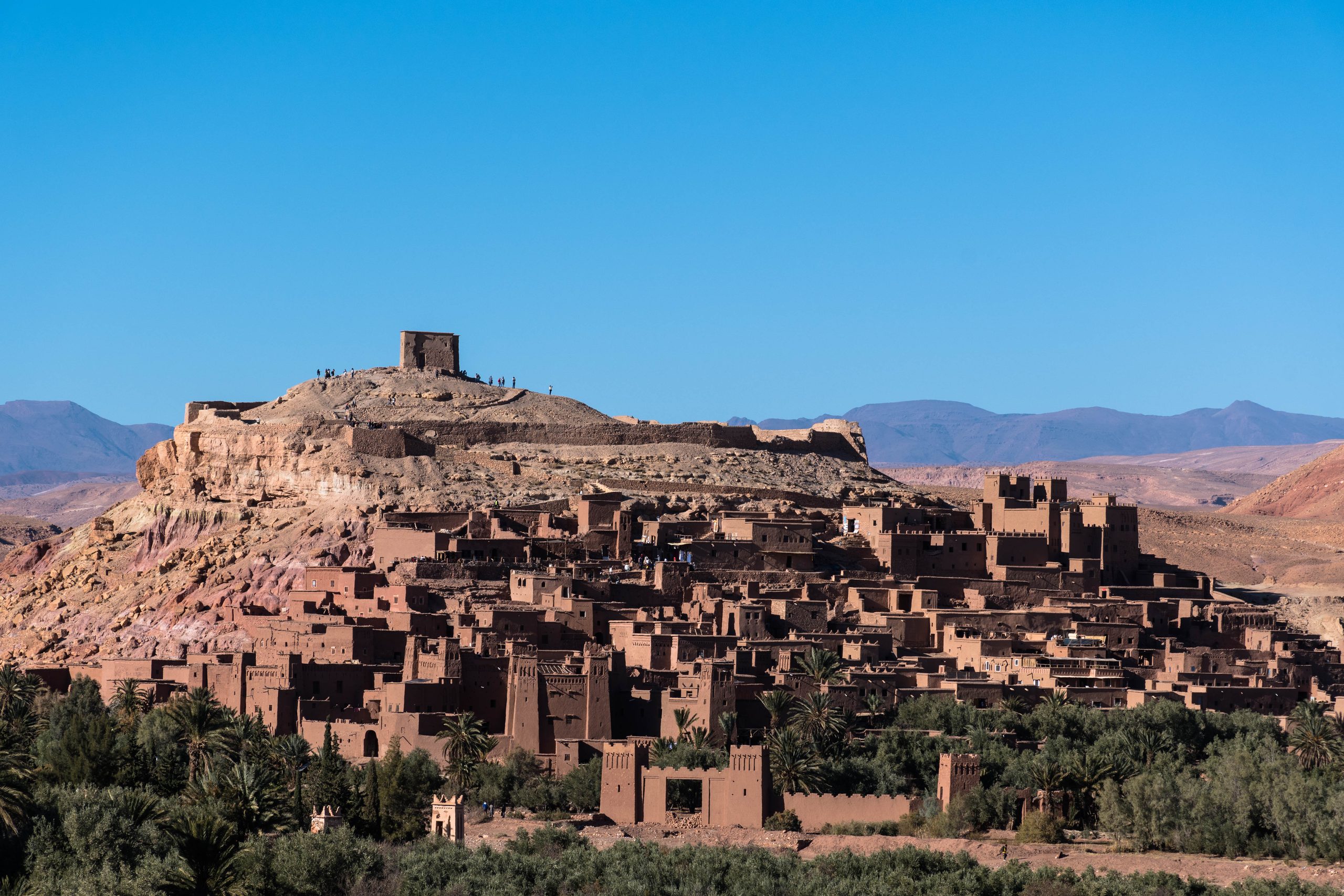
That history matters when you arrive at Aït Ben Haddou. It was not built as a photo stop for travellers. It belonged to a world of caravan journeys, settlements and trade across southern Morocco. Even on the approach, the earthen buildings look as though they have grown out of the surrounding hills.
Exploring Aït Ben Haddou: A UNESCO World Heritage Site
At Aït Ben Haddou, we get out and explore the fortified village on foot. I don’t want our guests to see only the postcard view from the road. We walk through the narrow passages between the earthen buildings and, if you’re comfortable with the climb, continue upwards for a view over the village and the Atlas Mountains.
Don’t stop at the first viewpoint. The walk up through the village is part of the visit. As you climb, the view opens out over the rooftops and the valley below. Higher up, you can look towards the Atlas Mountains; in winter you may even see snow on the distant peaks.
Visiting the kasbah is generally free. However, some kasbahs are privately owned, and the owners may ask for a small entrance fee. This money helps them maintain and preserve these old buildings.
Aït Ben Haddou is also familiar to film lovers. Productions including Gladiator have used the location. It is interesting to see the actual old village rather than only recognise it from a screen. After the visit, we have lunch in the area before heading towards Ouarzazate.
Ouarzazate: The City of Cinema and Kasbah Taourirt
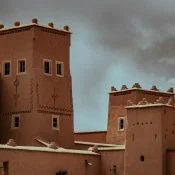
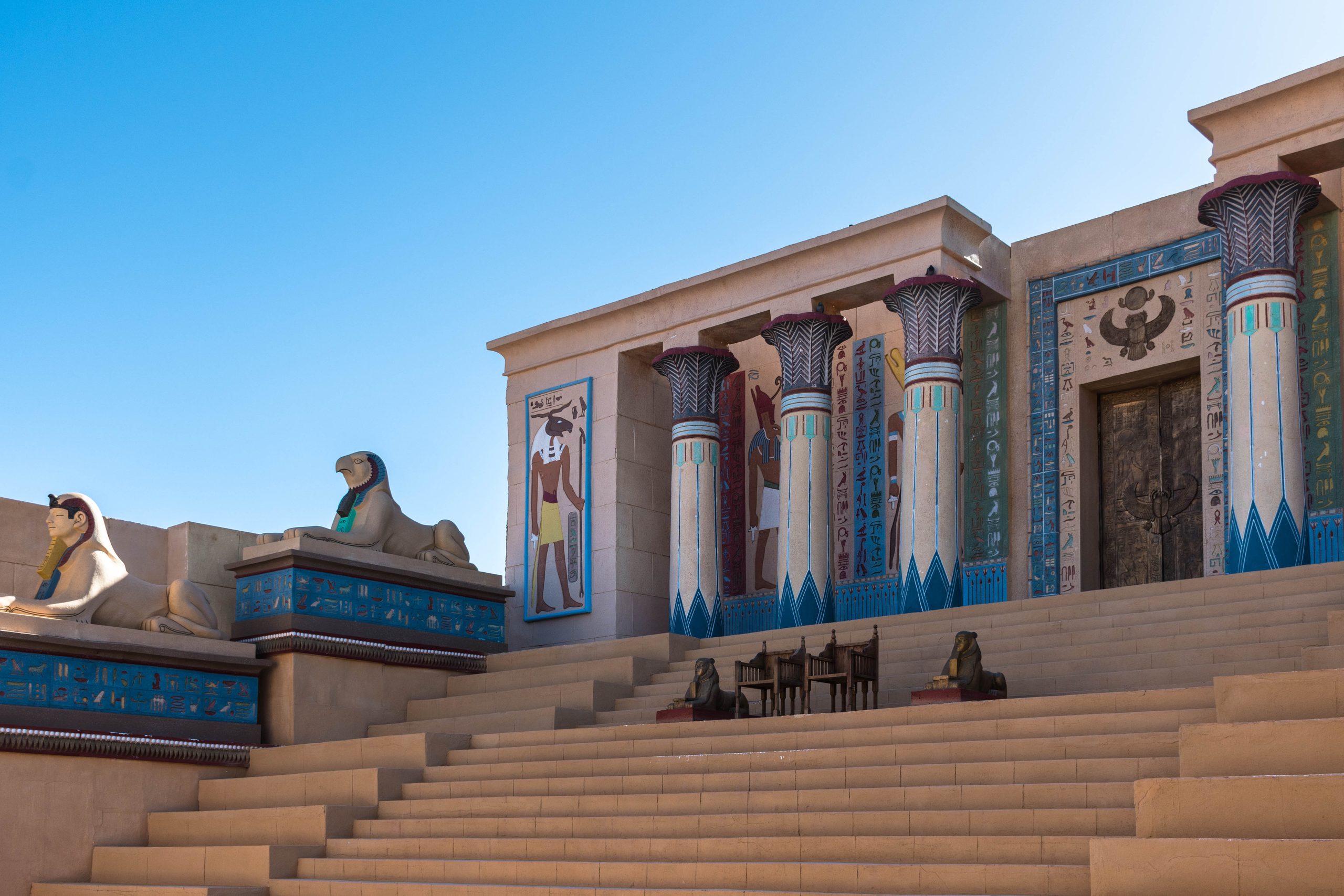
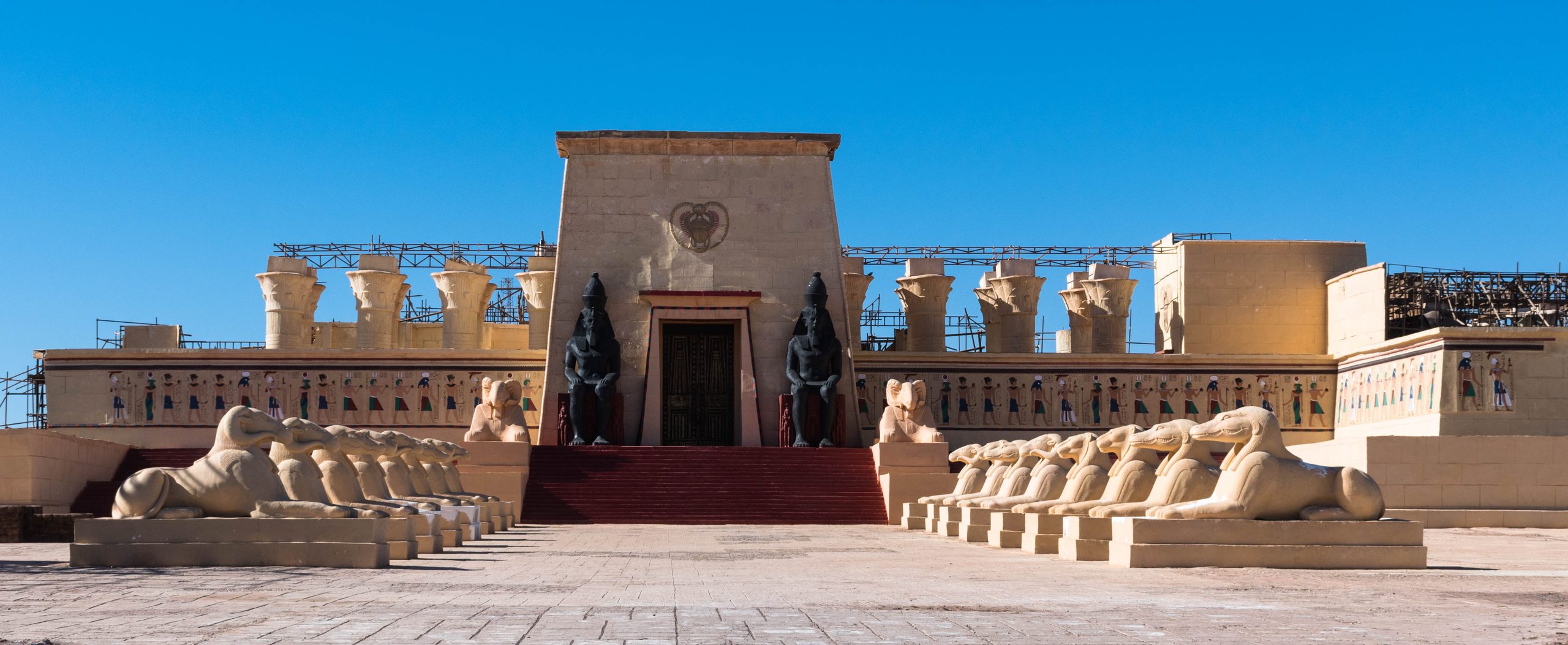
When we reach Ouarzazate, I like to point out two different sides of the city. There is the film history, including Atlas Film Studios, but there is also Kasbah Taourirt, whose earthen walls and towers belong to the area’s own architectural heritage.
There is another side to Ouarzazate, too: Kasbah Taourirt, with its earthen walls and traditional architecture. It belongs to the history of the town, not the film industry. The difference between the old kasbah and the film sets makes this an interesting stop.
A visit inside a studio or kasbah depends on the time available and the tour arrangements, so it is best to check which entrance visits are included rather than assume both are. The studios and the kasbah of Taourirt require admission tickets that can be purchased at their reception.
Kelaat M’Gouna: Discovering the Valley of Roses
As we reach Kelaat M’Gouna, we enter the Valley of Roses.Here, growing roses is part of everyday life for many local families. The flowers are used to make rosewater, perfumes and other products that the area is known for. Along the way, we can stop at a local shop or, if we have enough time, visit a workshop to see how the roses are turned into these products.
Kelaat M’Gouna town also holds a Rose Festival every year during the harvest season. It usually takes about four days, and the whole town gets busy with visitors, traditional folk music and dancing. The market is full of stalls selling rosewater, perfumes and other local products. During the festival, they also choose the Rose Queen of the year, which is a special part of the celebrations to the locals. If you travel at another time, you won’t see the festival itself, but the rose products and the story behind them are still part of the place.
What interests me about this stop is that the roses aren’t just decoration for photographs. They are part of local work and tradition. When a workshop visit is possible, it gives you a better idea of how the flowers are used.
Boumalne Dadès and the Monkey Fingers Rock Formations
Around Boumalne Dadès, I always ask guests to look more closely at the rocks. Some of the formations are rounded into shapes that resemble enormous fingers. These are the Monkey Fingers, and they are one of the details I wouldn’t want you to miss on the way into Dadès.
One formation to look for is called Monkey Fingers. The rounded, closely packed rocks have shapes that remind people of fingers. They are not carved by anyone; this is what erosion has done to the rock over time.
It is a place to stop, look closely at the unusual shapes and, where the route and time allow, take a short walk. The surrounding valley has villages, small cultivated areas, almond and apricot trees, and water sources used locally. Seasonal streams and small waterfalls can also be found in parts of the area. The amount of water depends on the season.
Dadès Gorge: Mountain Views and Winding Roads
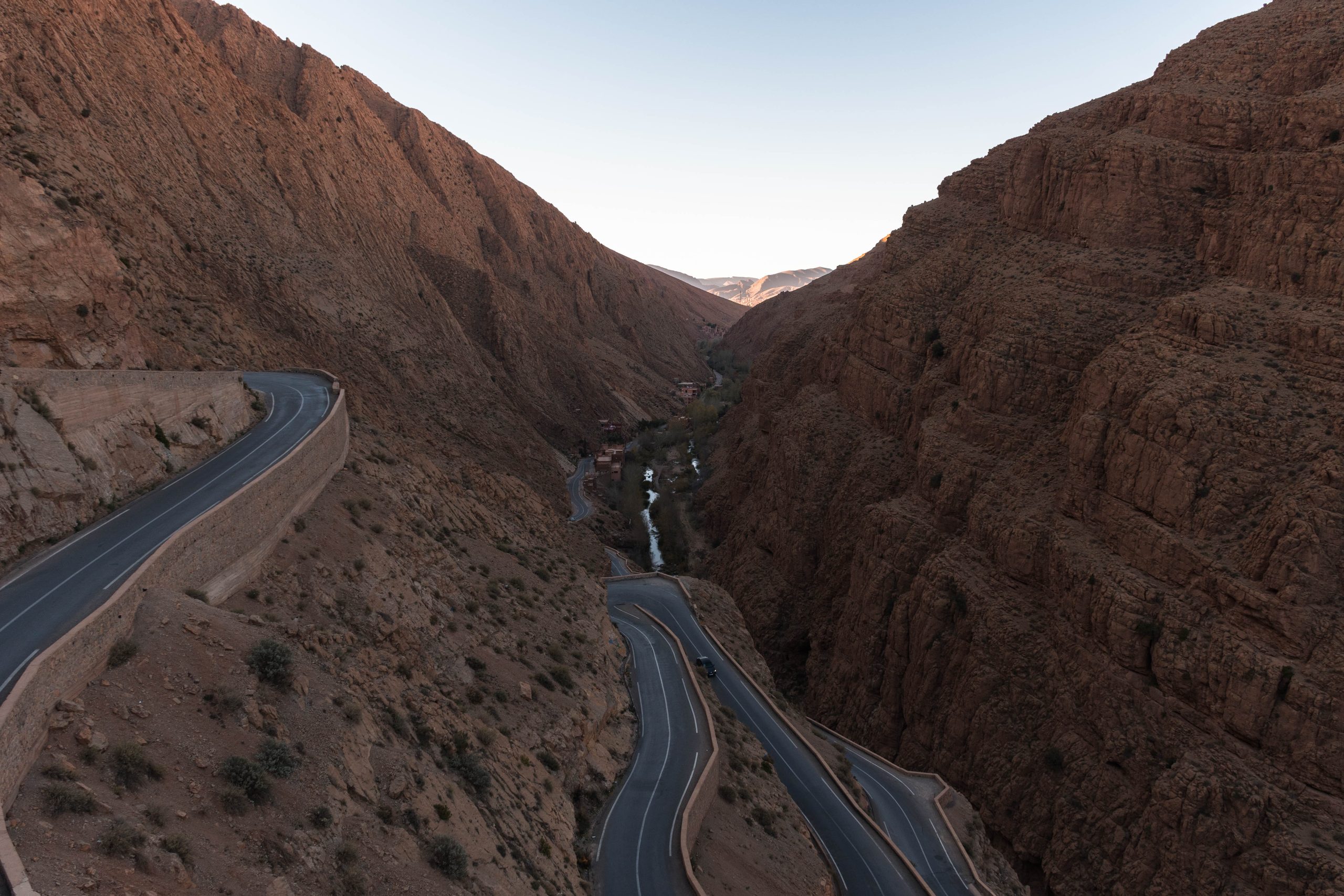
As we go farther into Dadès Gorge, the road becomes one of the sights. I like the view from above the famous zigzag bends, where you can see the road folding back across the mountainside. But I also want travellers to notice the valley, its water sources and the places where people live.
The gorge isn’t just a view from the vehicle. There are places to walk, and the valley has springs, small watercourses and routes used by people living in the area. Not every walk or waterfall is part of every three-day itinerary; the day is already full.
We spend the night in the Dadès area, usually in a traditional guesthouse or hotel. If you’re visiting in winter, keep something warm handy. The mountains can be cold after sunset, even when the day has been sunny.
Day 2: Dadès Valley to Merzouga – Todra Gorge, Rissani and the Sahara Desert
Travelling Towards Tinghir and Todra Gorge
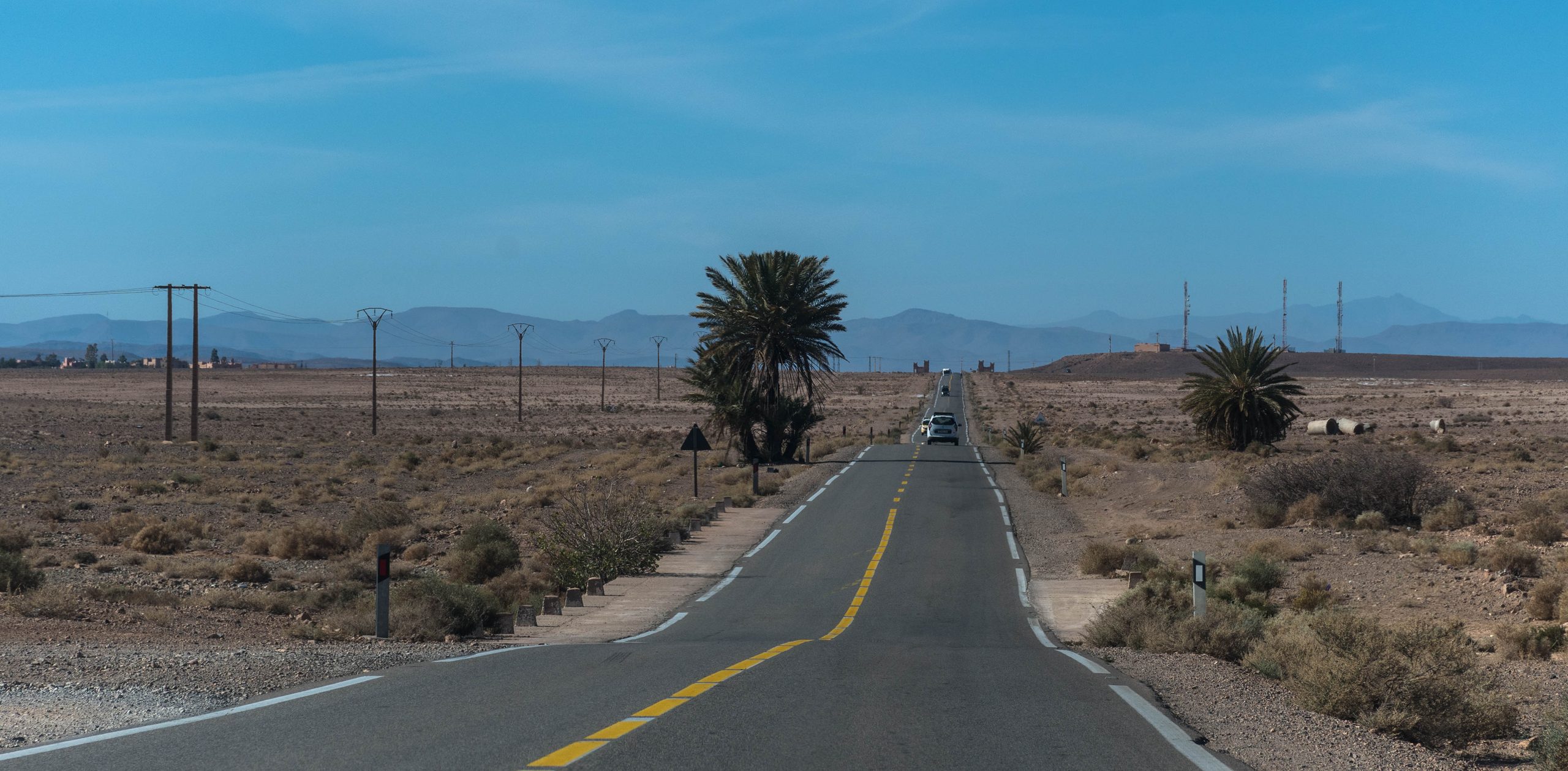
After breakfast, we leave Dadès and head towards Tinghir. I like the contrast on this part of the route: after wide stretches of dry land, the oasis brings green palm trees and cultivated fields back into view, right beside the bare mountains.
From Tinghir, we turn towards Todra Gorge. It is a good example of how quickly the scenery can change here: after the open road, we find ourselves approaching a narrow passage between high rock walls.
Exploring Todra Gorge on Foot
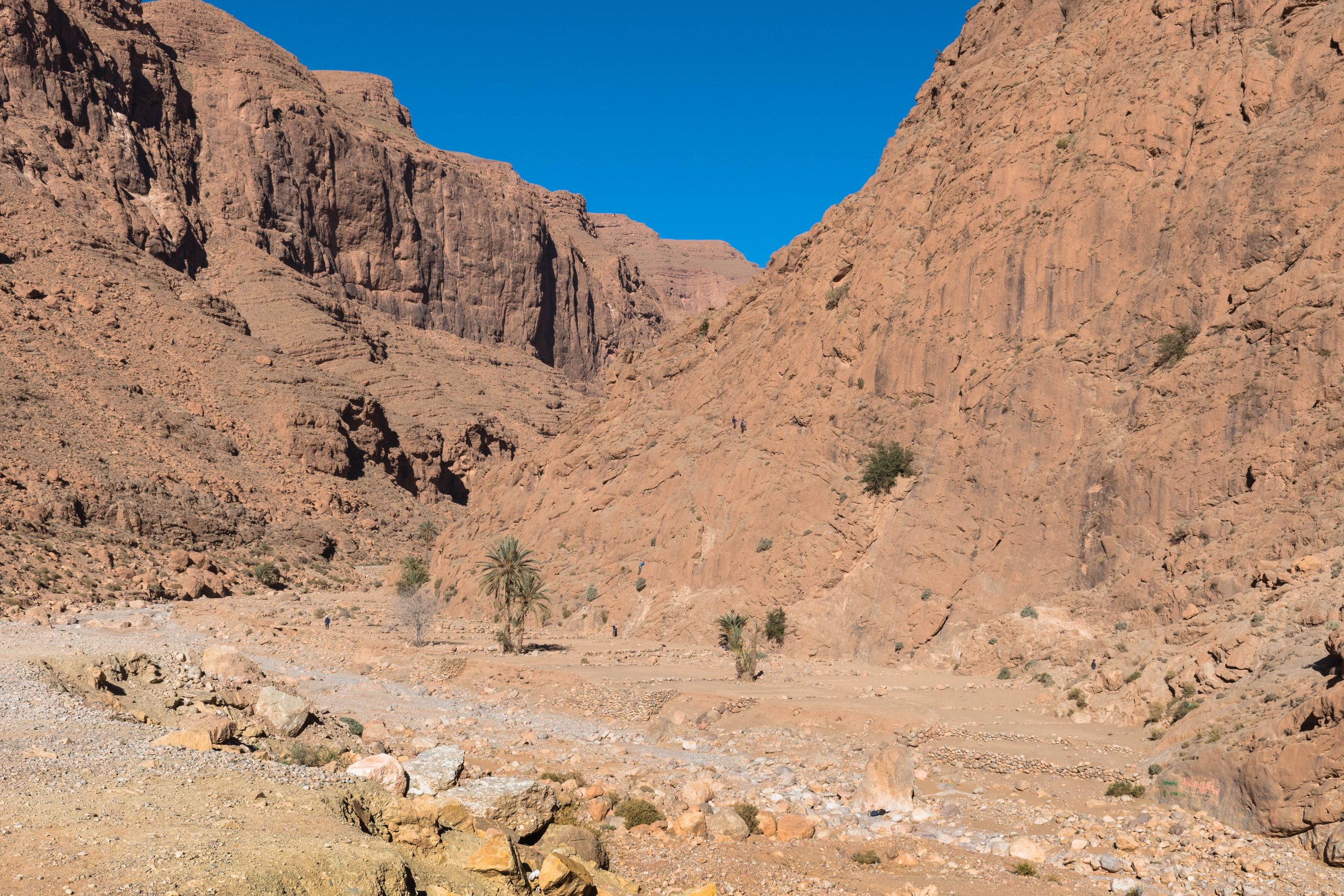
At Todra Gorge, we leave the vehicle and walk between the tall limestone walls. I always encourage travellers to look straight up for a moment. In places, the cliffs rise to roughly 300 metres, and you appreciate that height much more when you’re standing below them.
The river runs through the gorge, though the amount of visible water changes through the year. People come here to walk, and rock climbers use the steep walls. You may see climbers high above you while you explore the lower passage.
Depending on the season, you may also come across local people near the water. We take time to experience the gorge on foot before setting off for the next part of the journey.
Erfoud and the Region’s Ancient Fossils
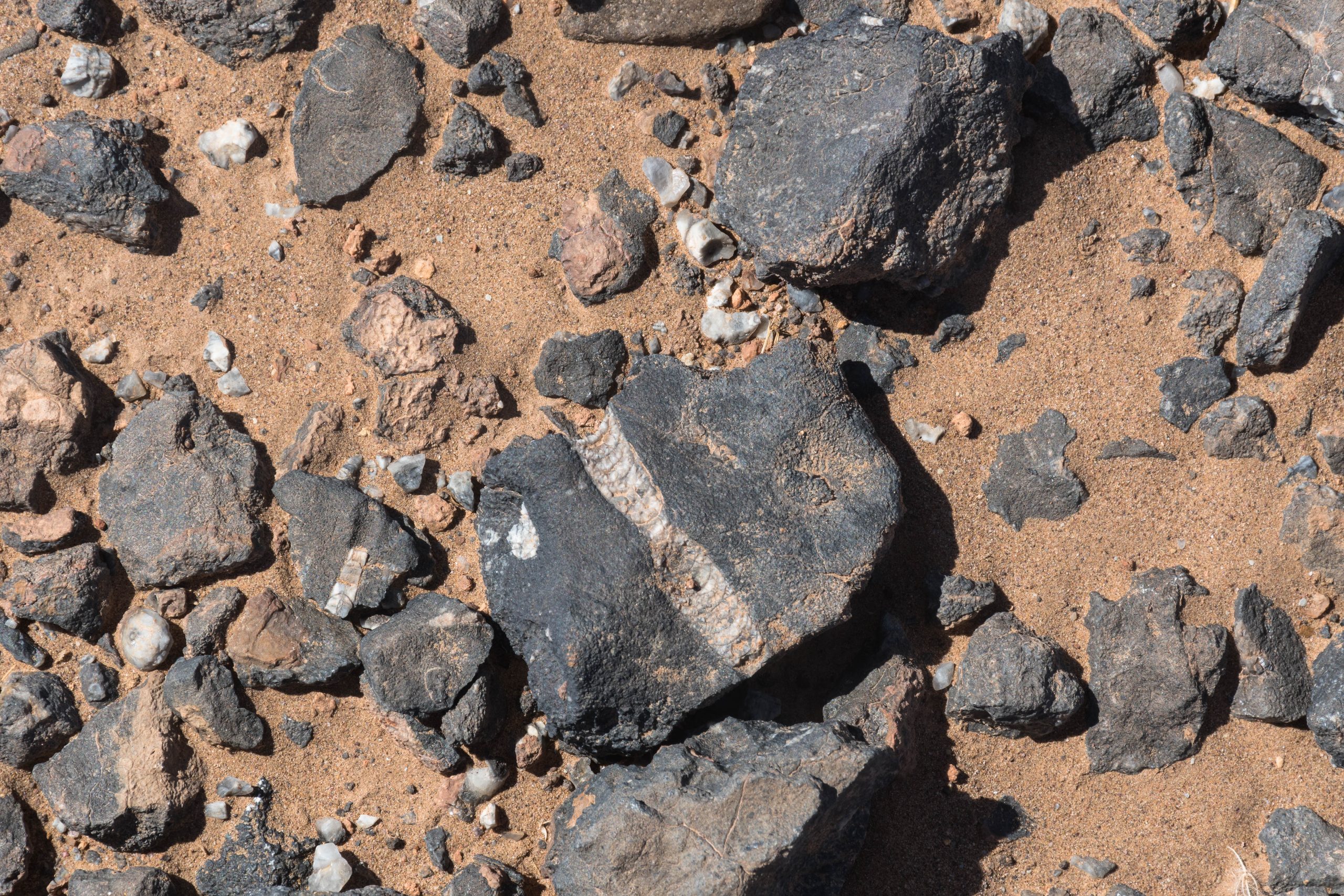
As we travel towards Erfoud, I tell our guests about the fossil-bearing stone that local craftspeople cut and polish here. You may see the outlines of ancient marine creatures in pieces that are now made into tables and decorative objects.
In workshops, the stone is turned into items for the home, including decorative pieces and tables. Some pieces show the shapes of marine creatures preserved in the rock. It is surprising to think about that history while travelling through such a dry landscape.
A workshop stop is possible when it fits the route and timing. It shouldn’t be described as a guaranteed visit on every departure.
Rissani: A Traditional Market and Donkey Parking Area
In Rissani, I want travellers to notice the ordinary life of the market, not just the souvenir stalls. People come from nearby villages to shop and trade, and on market days you’ll see dates, spices, vegetables and everyday goods. There’s also a very particular detail: the donkey parking area.
Look out for the donkey parking area. Some farmers and traders still arrive using donkeys and leave them together while they go into the market. It is an ordinary part of local life, but it often catches visitors by surprise.
The main market is generally held on Tuesdays, Thursdays and Sundays. If the tour passes through on a different day, you won’t see the same busy market scene. That distinction matters when planning what to expect.
Arriving in Merzouga and Discovering Erg Chebbi
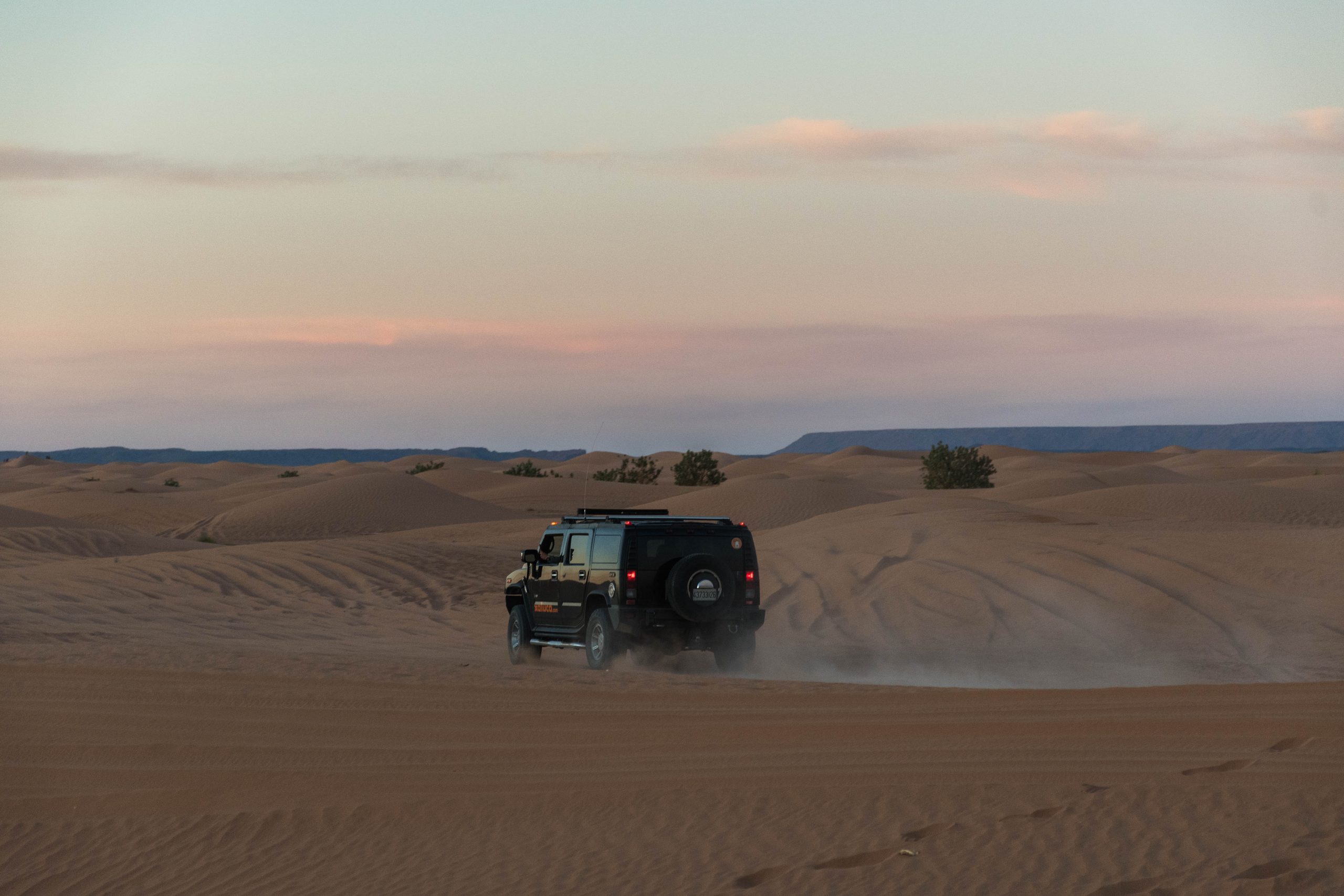
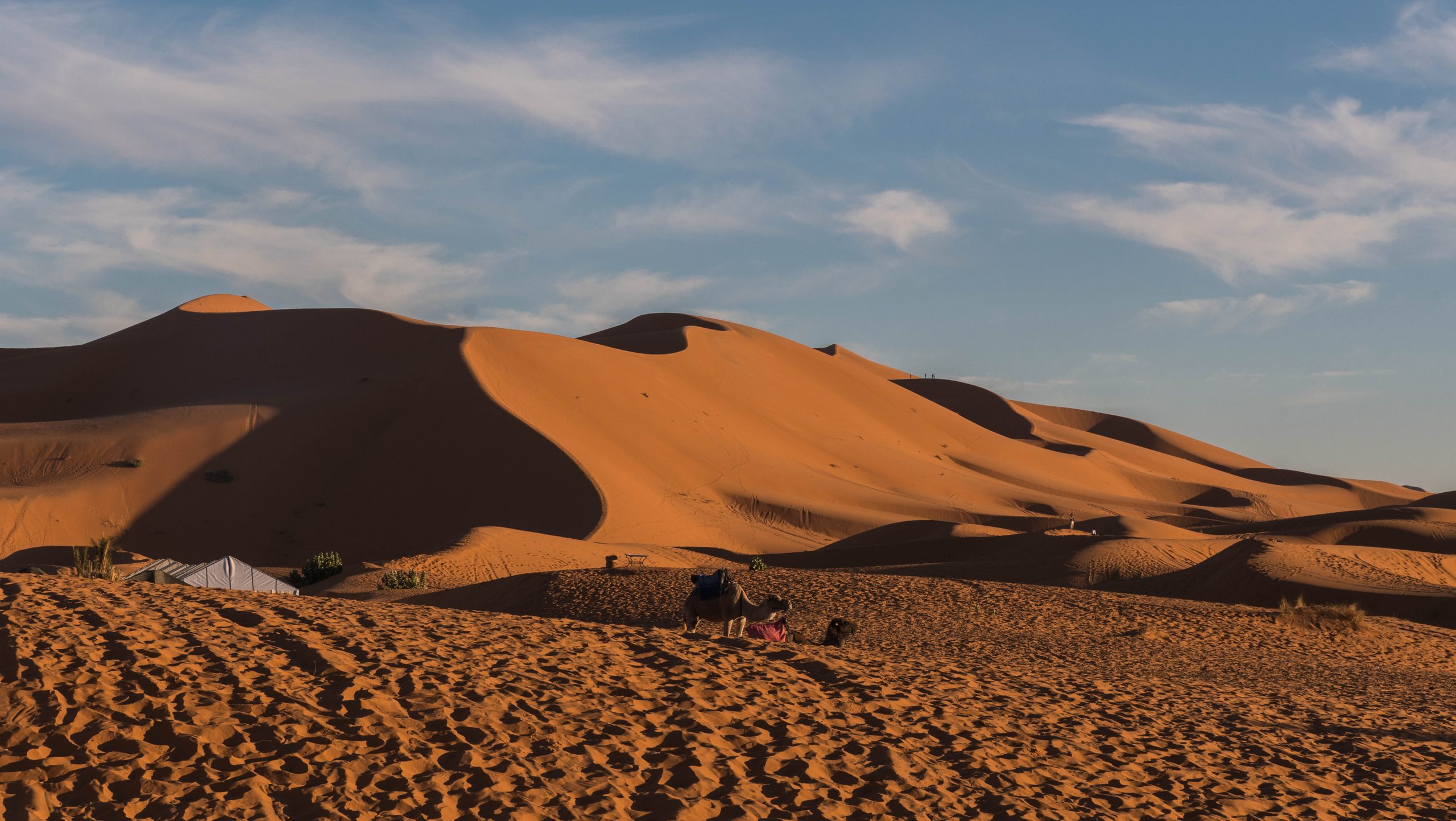
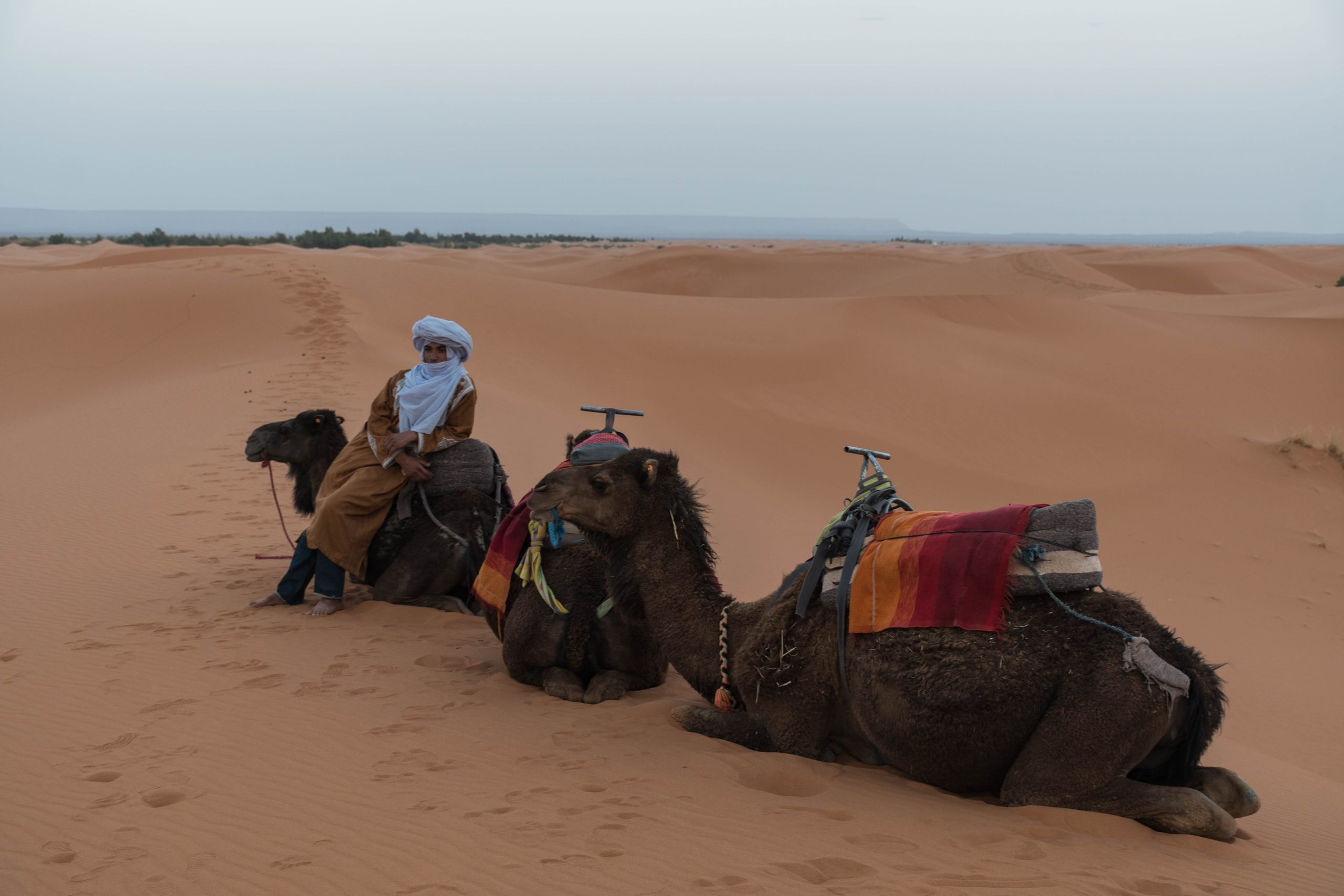
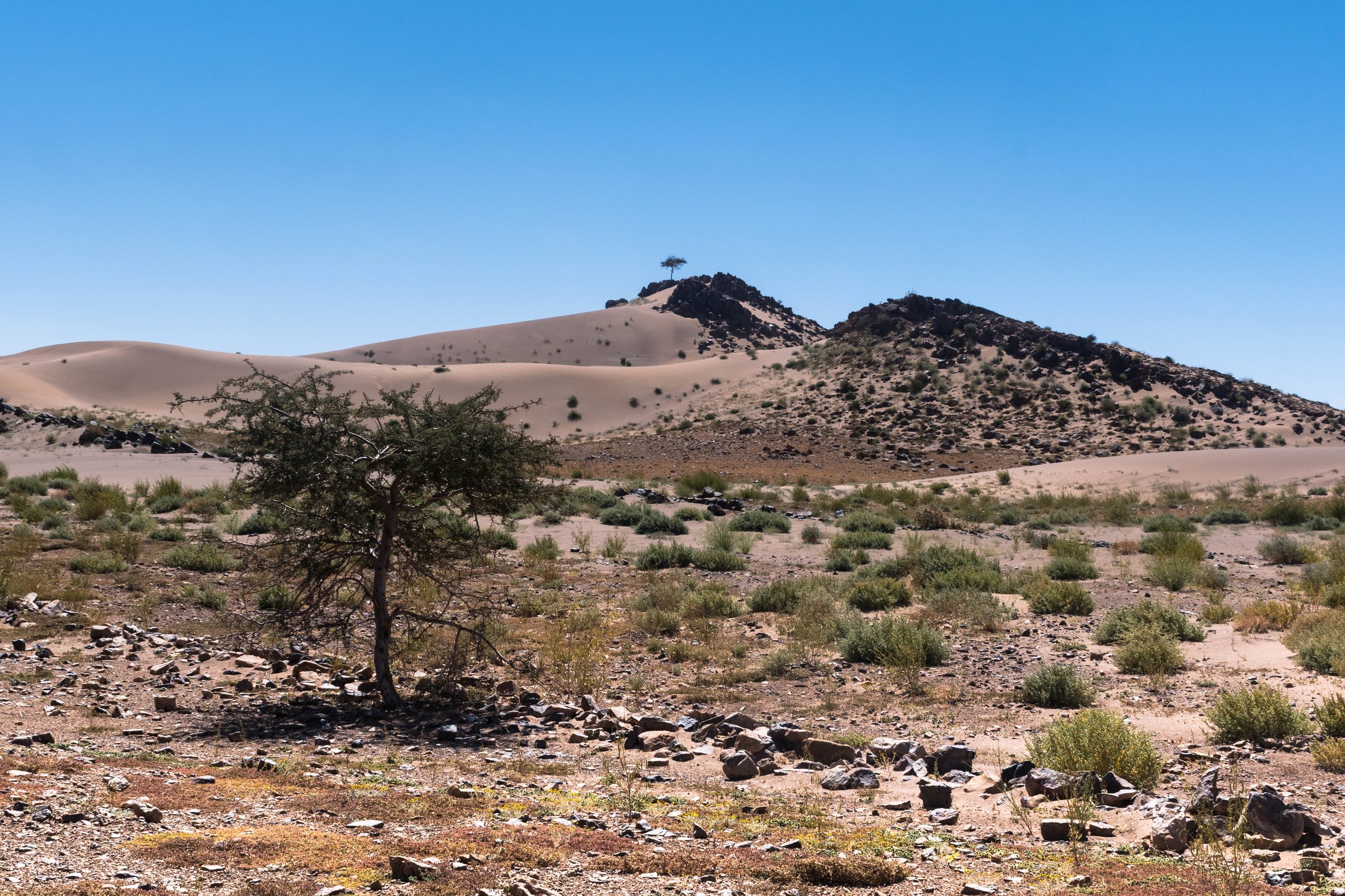
After Rissani, we drive towards Merzouga. I usually ask guests to watch the horizon. The rocky land eventually gives way to the orange dunes of Erg Chebbi, and suddenly the place that motivated the whole journey is right in front of us.
You have travelled past mountains, villages, gardens and gorges over the last two days. Now the landscape is sand, with tall orange dunes stretching behind the village. The light changes their colour through the afternoon.
At the edge of the dunes, we meet the desert camp team and get ready to head into the sand.
Camel Trekking and Sunset Over the Sahara
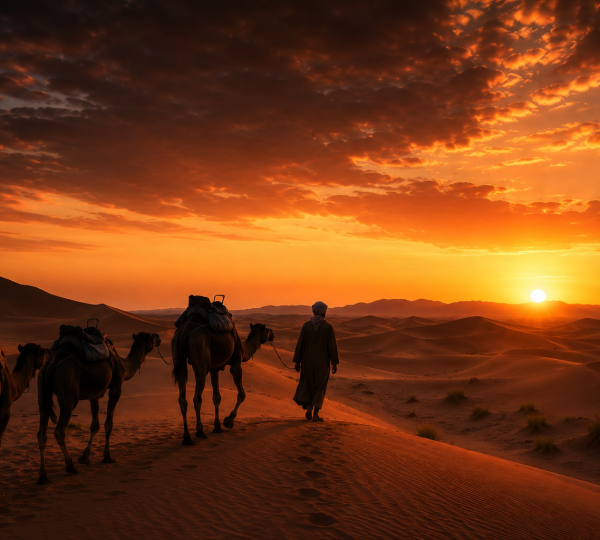
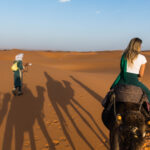
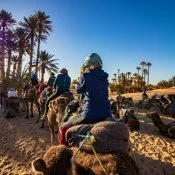
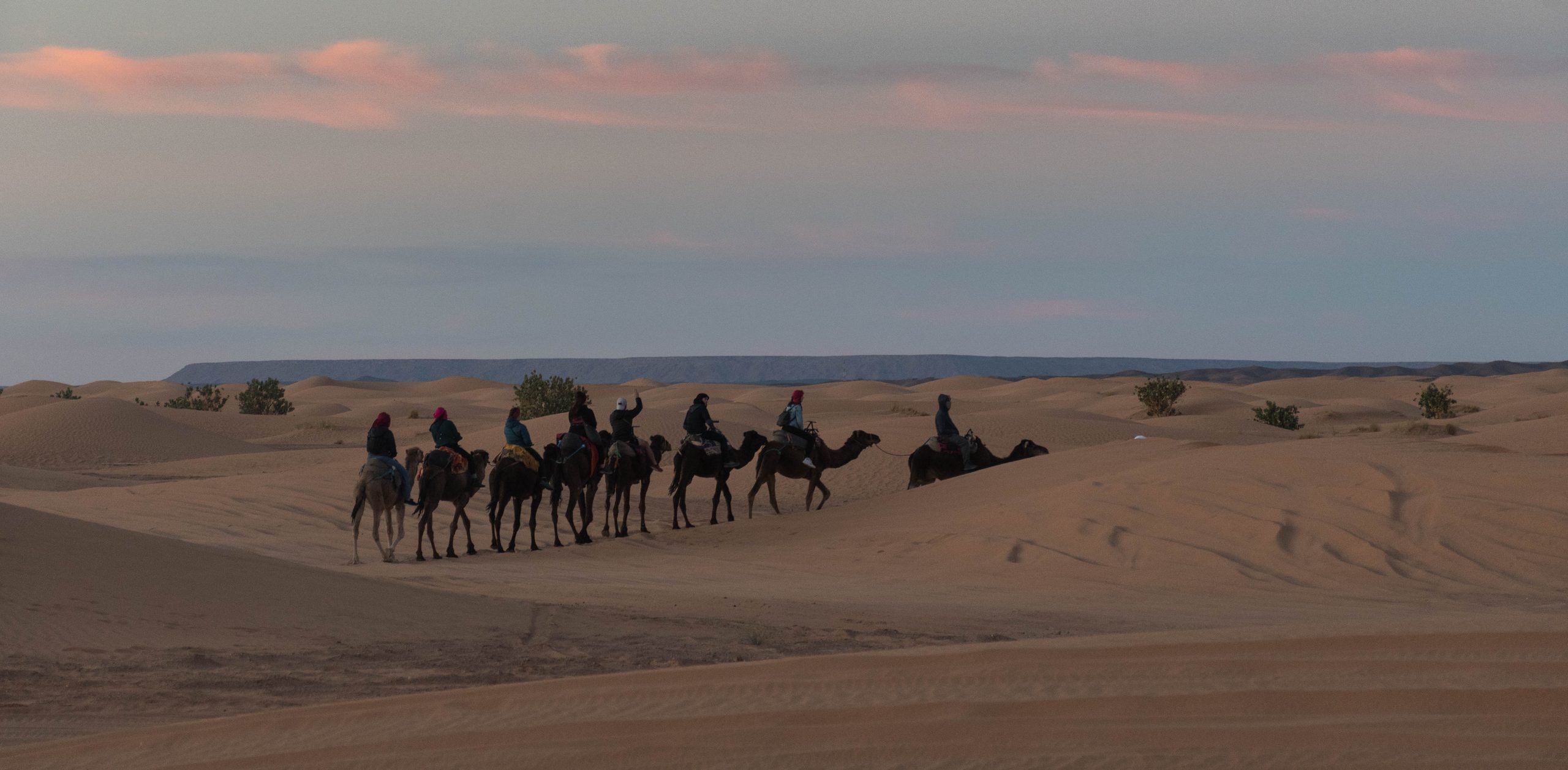
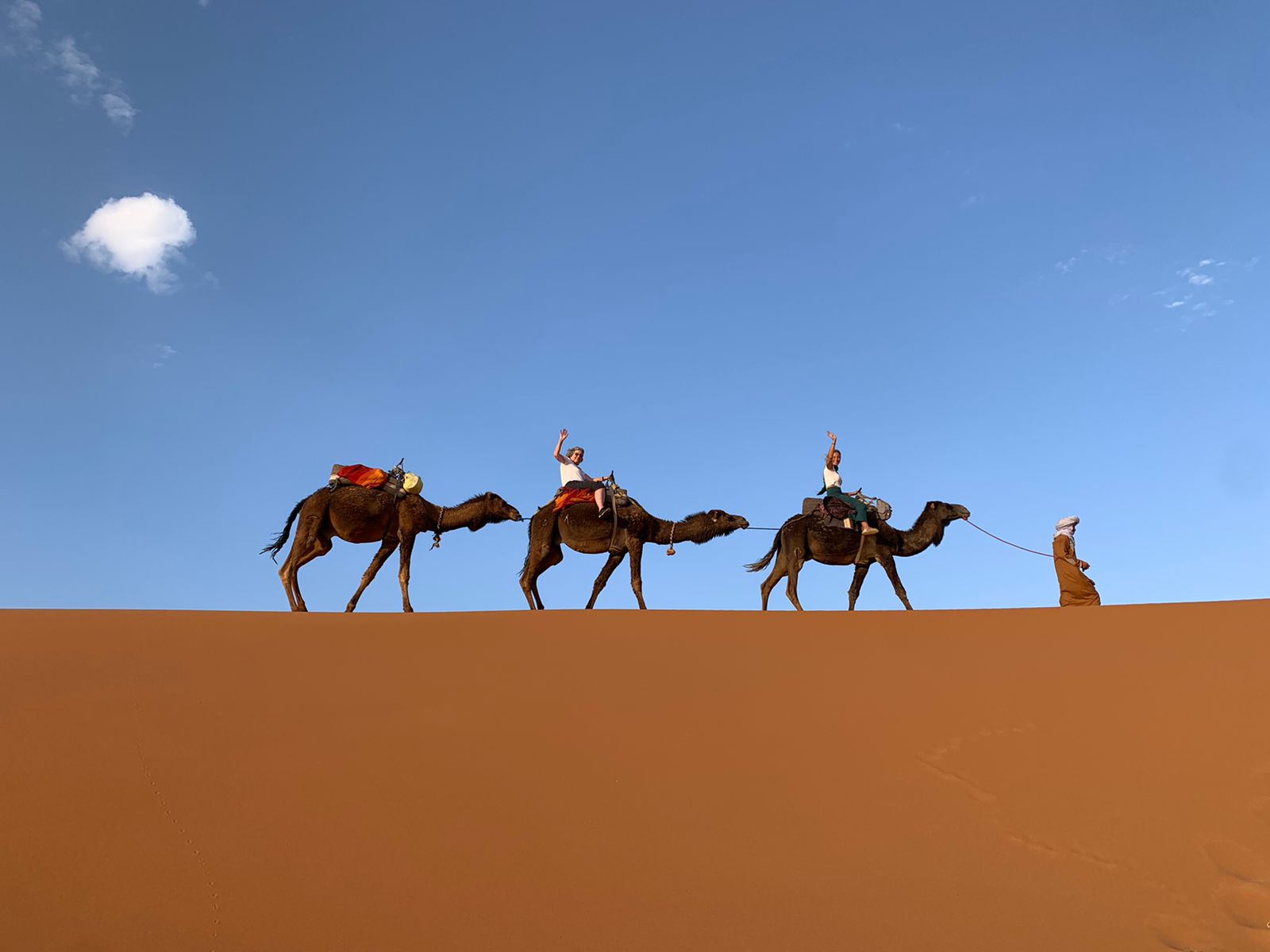
We meet the desert camp team and set out across the sand on camels. The ride normally takes about an hour, depending on the camp and route. I encourage guests to enjoy the slow pace: this isn’t just transport to the tents, it’s one of the experiences they came to Merzouga for.
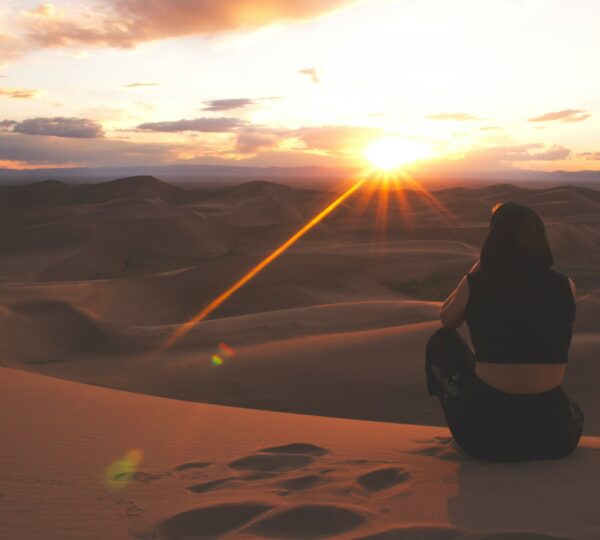
We make time for sunset. From a high dune you can watch the light shift across the sand, with shadows growing longer as the sun drops. It is a good moment for photographs, but also for sitting for a while and looking out over the desert.
After sunset, we continue to camp. The camel journey is not a race to get there; it is part of the evening itself.
A Night in the Sahara: Dinner, Amazigh Music and Campfire
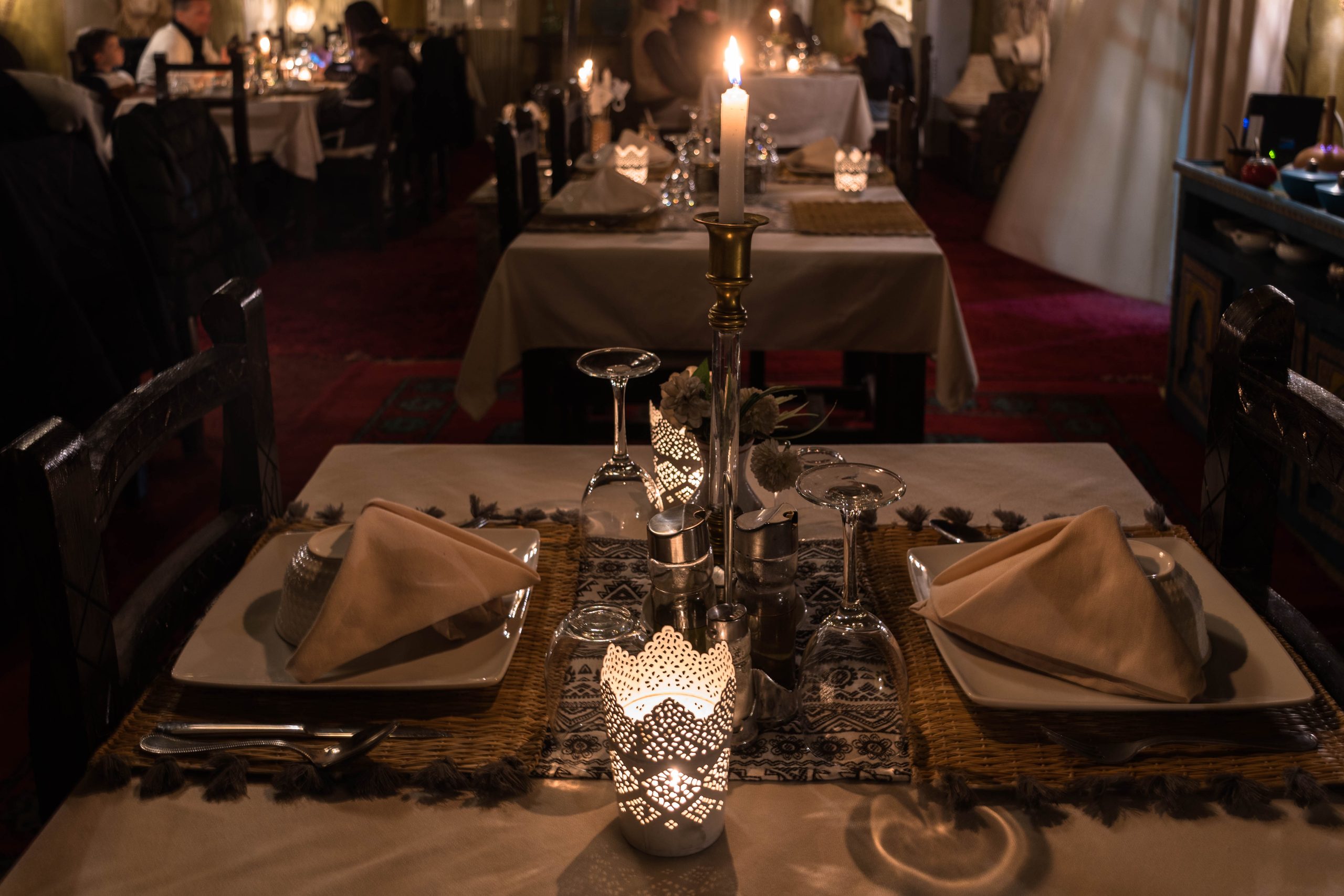
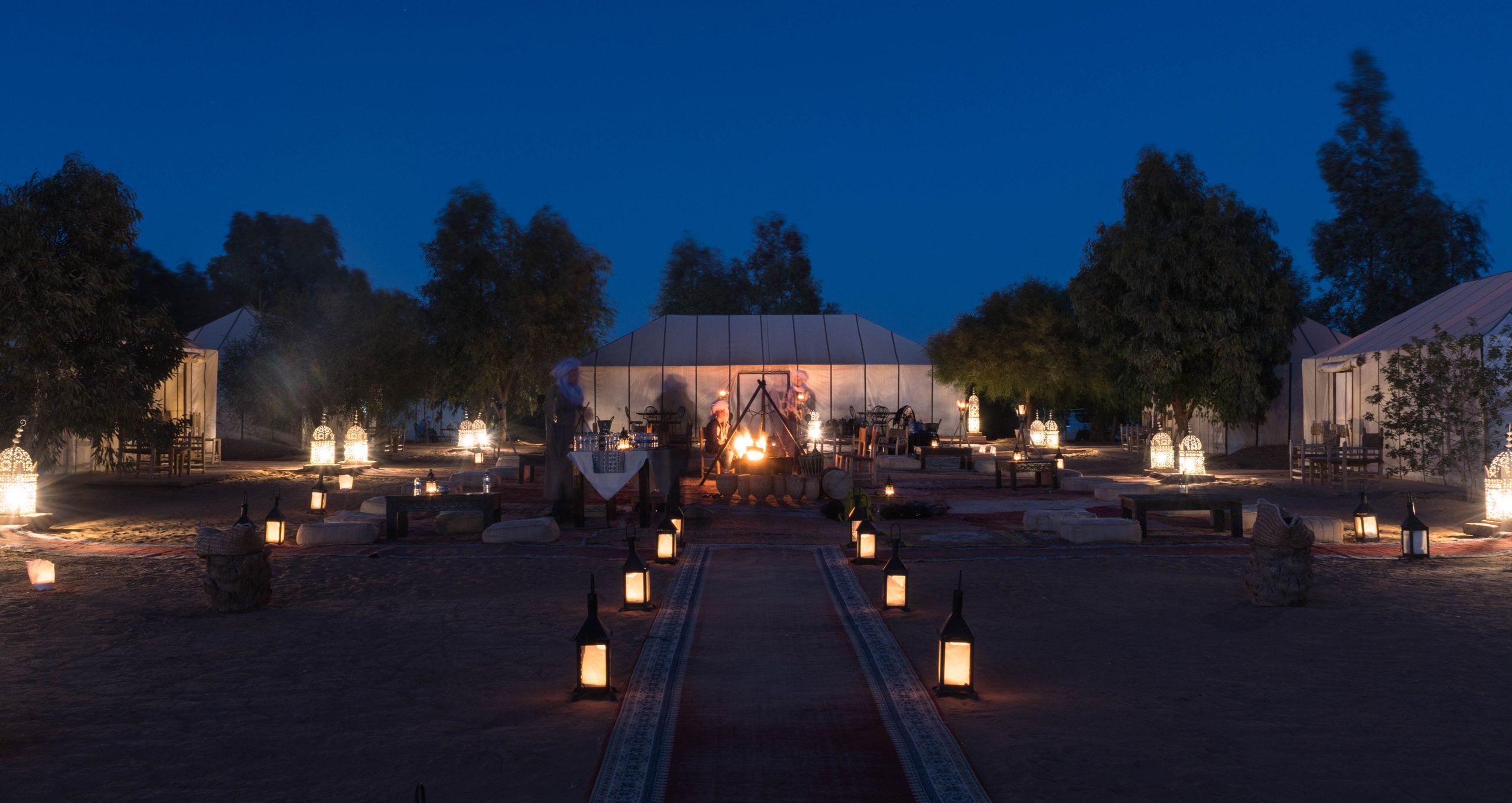
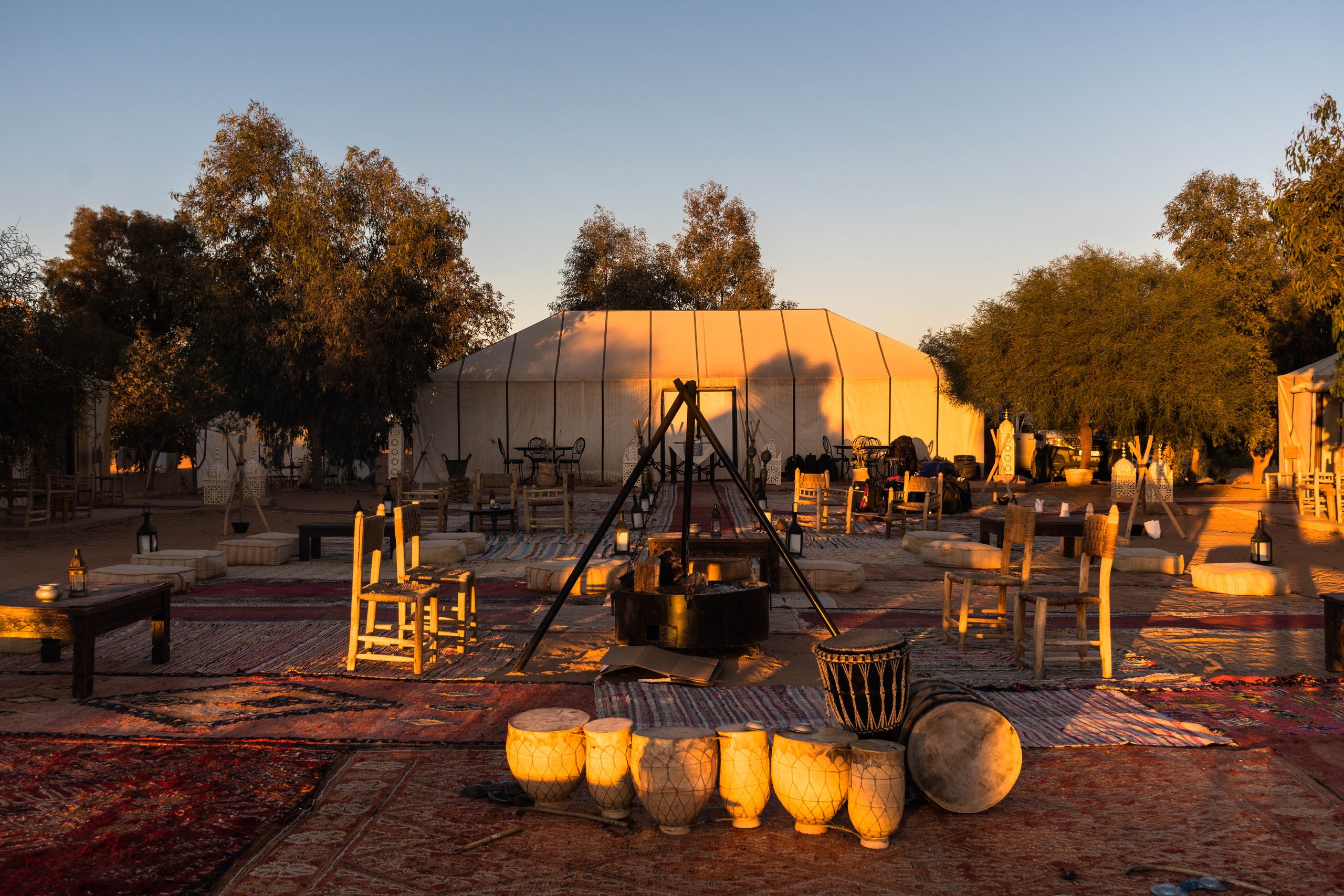
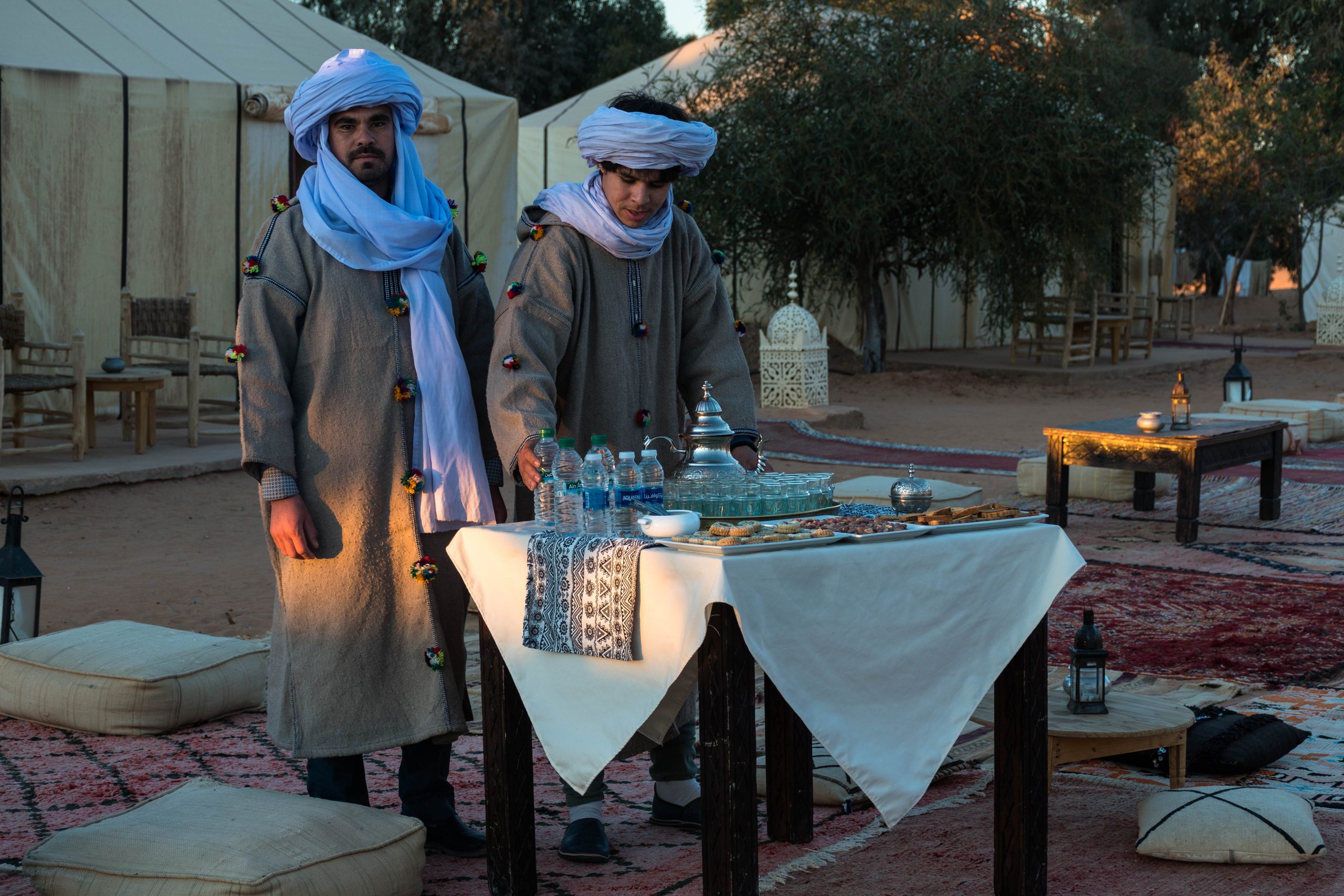
At the desert camp, our team welcomes the travellers and shows them to their tents. I always recommend checking the accommodation category before booking, since facilities vary between camps and some offer private bathrooms and showers.
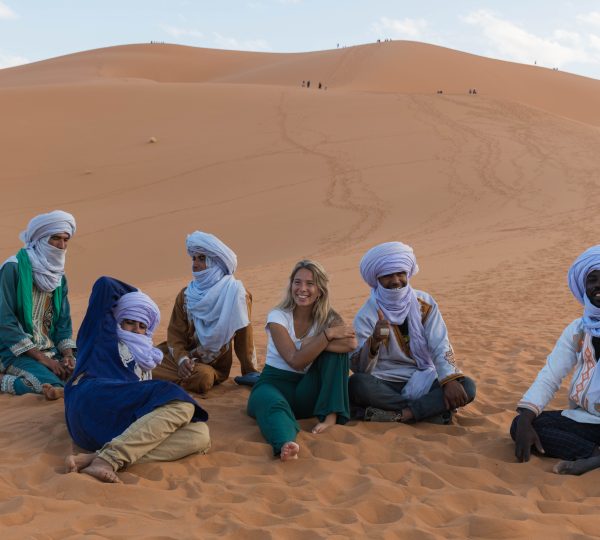
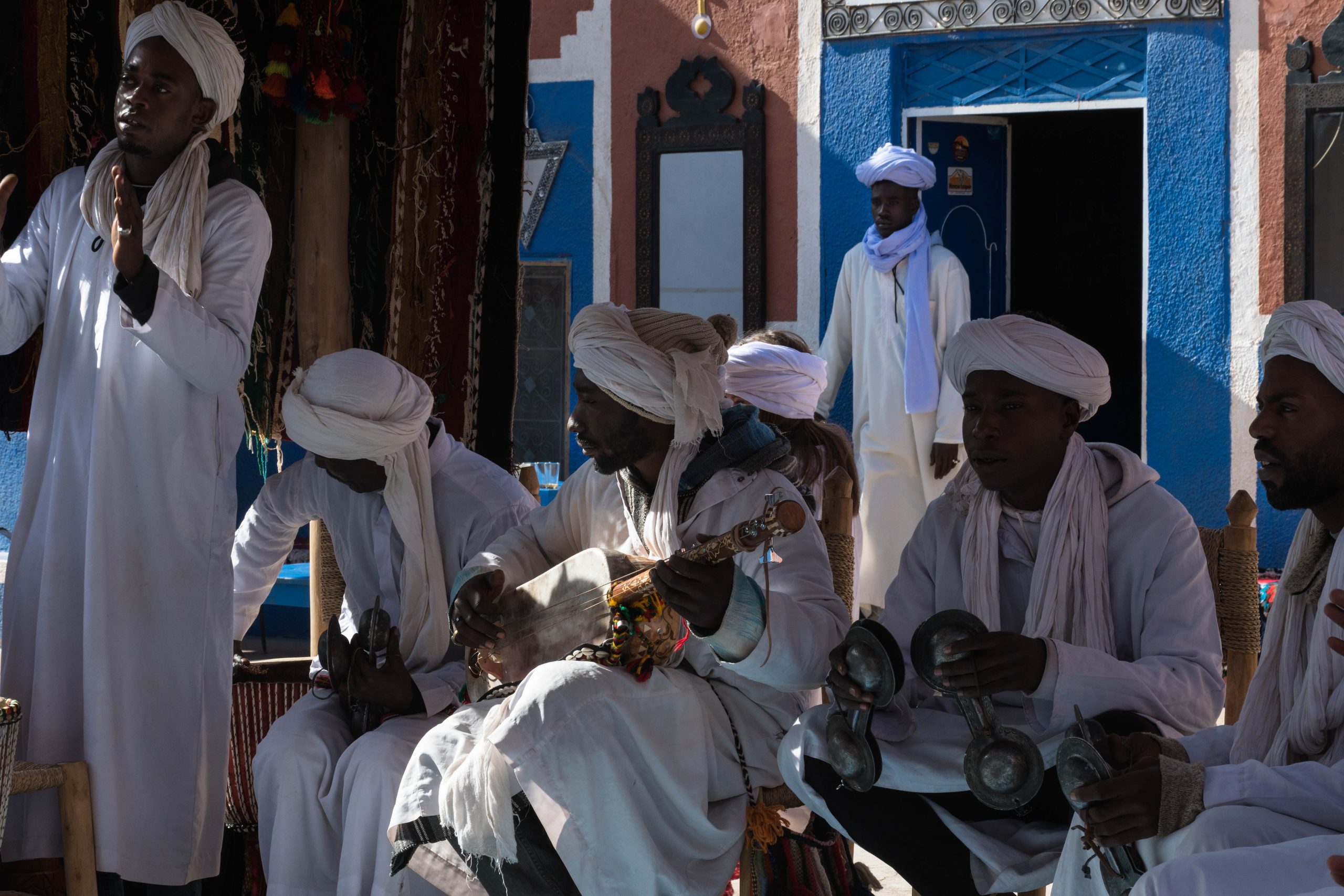
Dinner comes first. Afterwards, people gather around a fire for traditional Amazigh drum music. The sound carries differently out here, away from the noise of towns. You can listen, talk with other travellers or step away from the fire for a quieter moment.
If the sky is clear, take a look at the stars before going to bed. In the morning we’ll be up early again, this time to see sunrise over the dunes.
Day 3: Merzouga to Marrakech – Sunrise, Draa Valley, Agdz and the Atlas Mountains
Watching the Sunrise Over Erg Chebbi
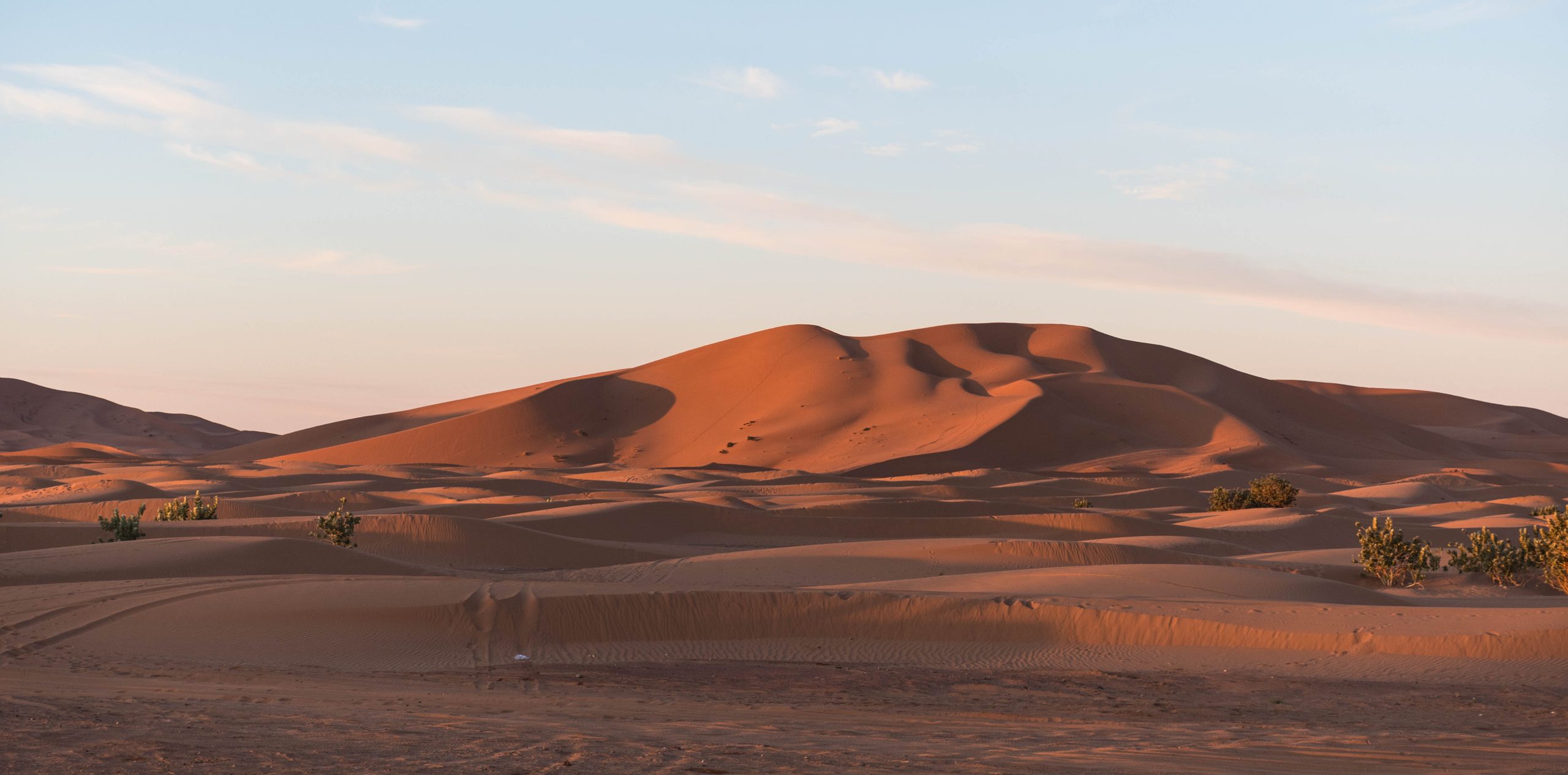
If you’re happy to get up early, I recommend seeing sunrise over Erg Chebbi before breakfast. The sand looks different from the evening before, with cooler colours that gradually turn gold as the sun reaches the dunes.
As the light comes across the sand, the ridges become clearer and the dunes begin to turn gold. After sunrise we return for breakfast, collect our things and prepare for the long drive back to Marrakech.
Leaving Merzouga and Crossing the Southern Desert Landscapes
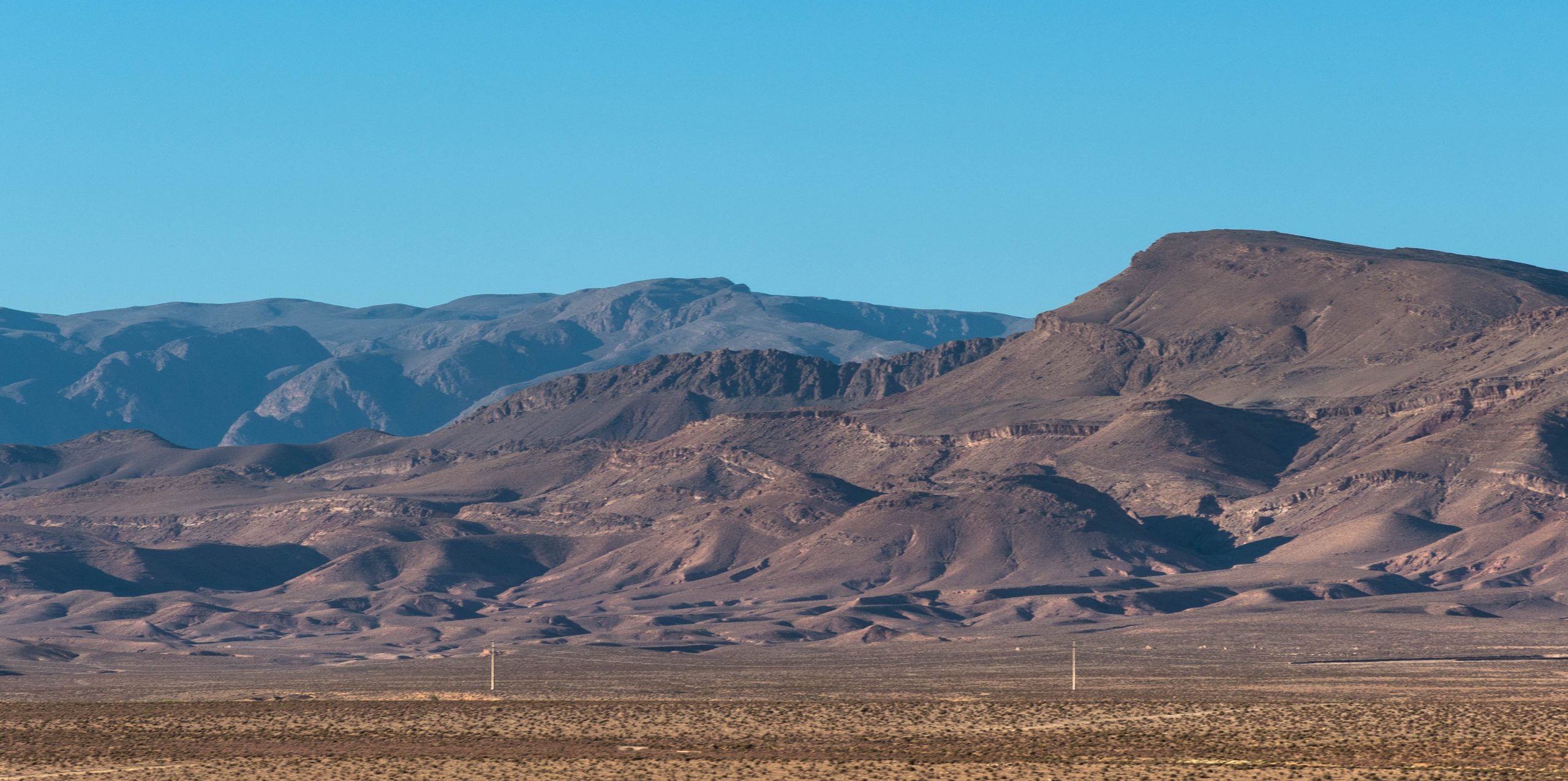
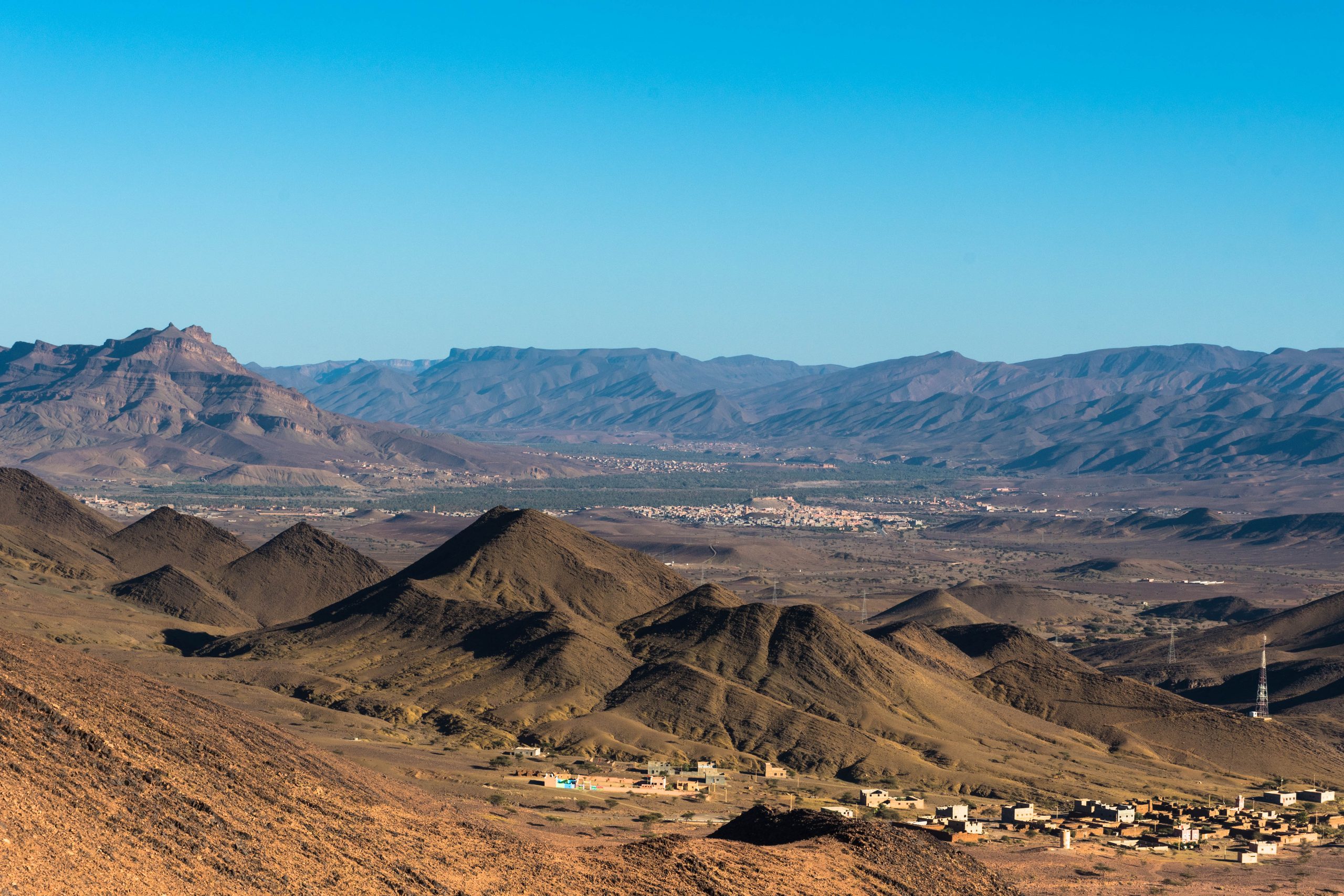
When we leave Merzouga, we don’t simply drive back along the road we used on the way out. We cross open, rocky country towards Tazzarine and Nkob. I like this part of the trip because it shows another side of southern Morocco, away from the big dunes.
It feels different from the road through Todra and Dadès. We head towards Tazzarine and Nkob before making our way to Agdz and the Draa Valley.
The Draa Valley: Palm Groves, Traditional Villages and Ancient Kasbahs
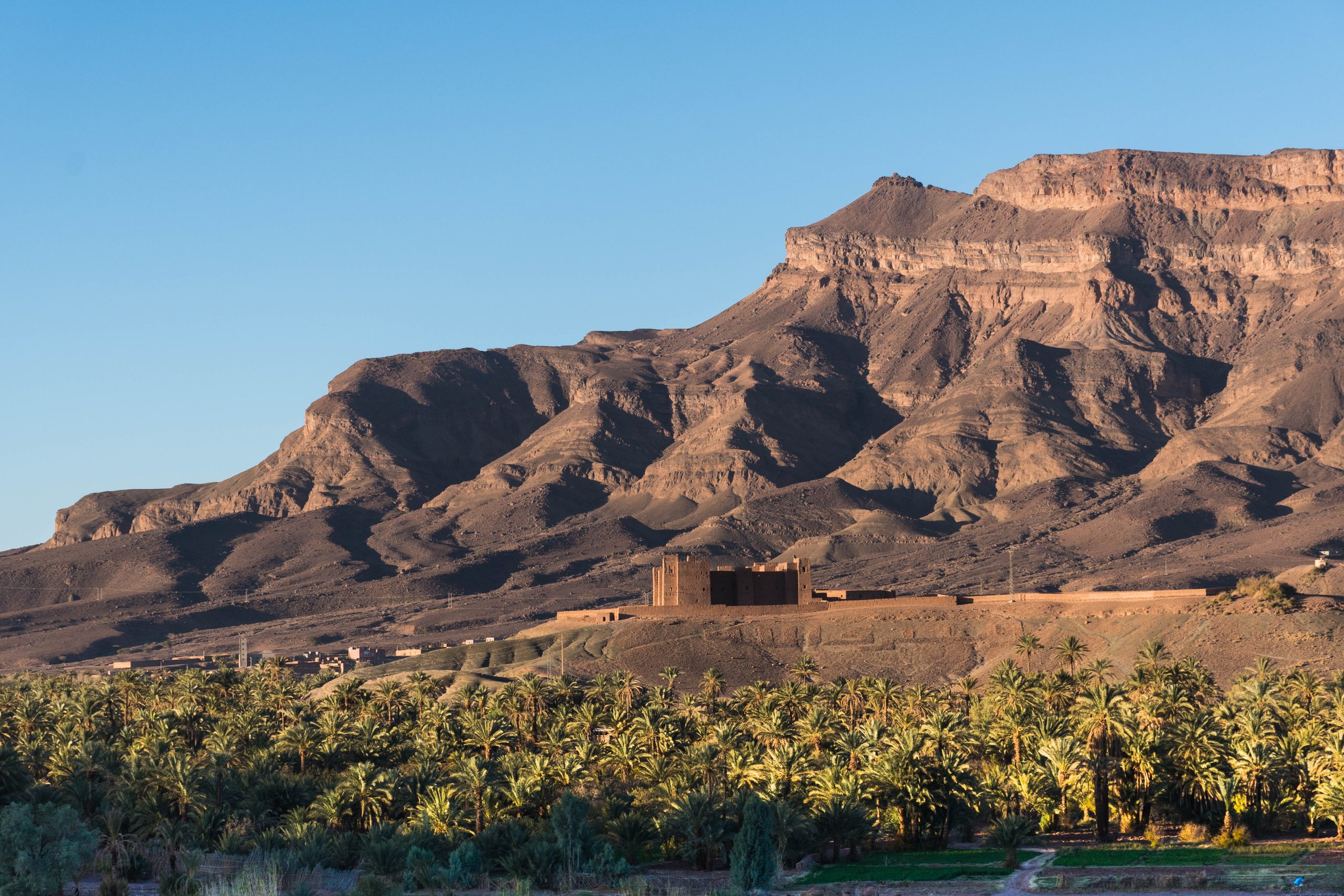
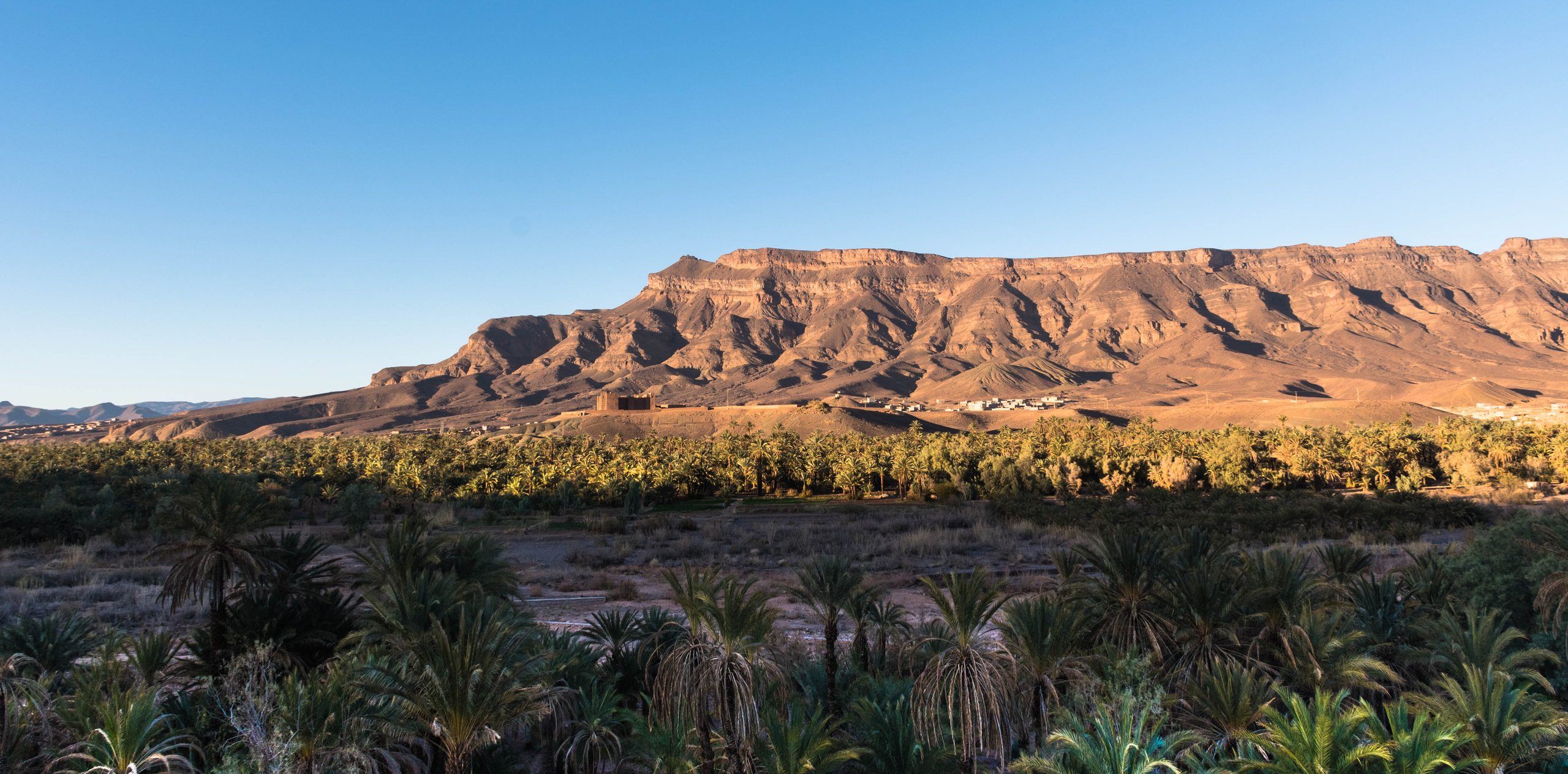
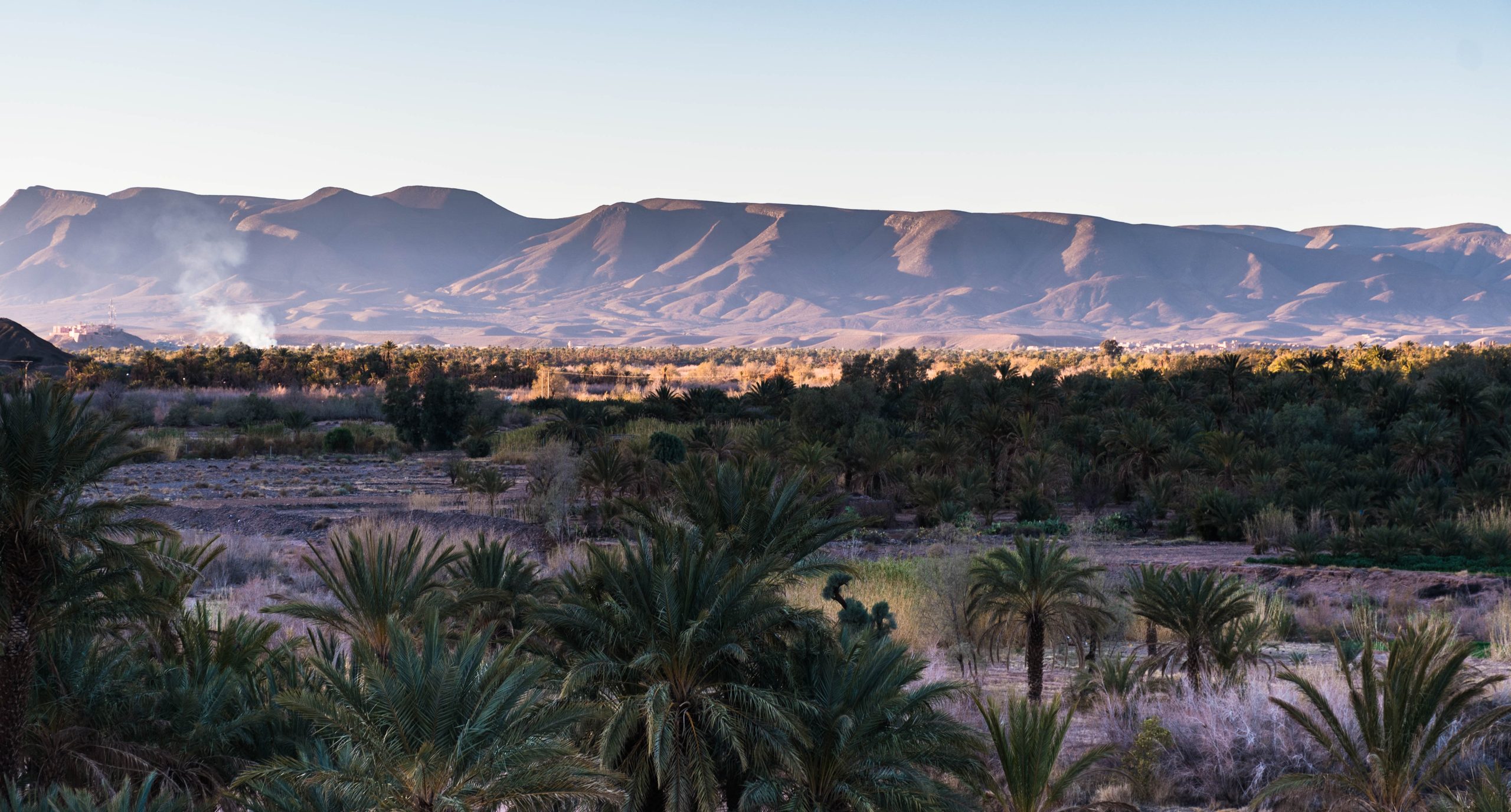
The Draa Valley is one of the places I especially want guests to notice on the return. After so much dry land, we begin to see date palms spreading along the green valley floor, with rocky mountains standing above the oasis.
The Draa is known for its dates. Along with the Ziz Valley, it is one of Morocco’s well-known date-producing regions. The palms are part of local agriculture and everyday life, not simply scenery for the road.
Old earthen villages and kasbahs are scattered around the oasis. This region also has a long connection to caravan travel. When you see the green valley from a higher point in the road, you understand why settlements grew around the water here.
Agdz and the Heritage of 45 Kasbahs of Nkob
Before we reach Agdz, we pass through Nkob, the village known for its 45 kasbahs. I always mention the connection of these old kasbahs with the Aït Atta tribe, because it’s an important part of the village’s local identity, not just a number to put in a travel guide.
Later, we continue towards Agdz through the Draa Valley. Date palms spread across the valley below the mountains, while the rock formations change shape as we drive.
Near Agdz, the view from the higher road opens across the palm groves and the surrounding hills. It is this meeting of green oasis and dry mountain slopes that makes the scenery here so distinctive. The date palms and the old earthen buildings tell you something about how people have lived in the valley.
Crossing the Mountains Near Aït Saoun
After Agdz, we leave the palm groves behind and take the mountain road near Aït Saoun towards Ouarzazate. This isn’t a separate village visit; I include it because the winding road, rocky slopes and changing views make the drive itself worth noticing.
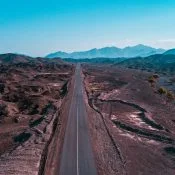
The road bends through dry, rocky slopes. There are sections where you can see the road curling around the hills ahead and broad views back towards the valleys. The shapes and colours of the rock keep changing as we climb.
Aït Saoun is part of this mountain crossing, not a separate town visit on the itinerary. The interest here is in the drive itself and the views along the way.
Returning Through Ouarzazate and Tizi n’Tichka Pass
We continue towards Ouarzazate and stop for lunch along the way. Then we cross the High Atlas again by Tizi n’Tichka. I like to remind travellers that it’s the same pass as on our first day, but from the opposite direction the mountains feel different.
It’s the same pass we used at the start of the trip, but now we’re coming from the other side. We pass mountain villages and winding stretches of road, with higher peaks visible in the distance. In winter, some may be covered with snow.
The drive is long. We don’t pretend otherwise, and the time needed depends on the road, weather and the stops we make.
Arriving Back in Marrakech
As we descend from the Atlas, we make our way back to Marrakech. I prefer to be clear about the timing: this is a long return day, and we generally arrive in the late afternoon or evening, depending on the road, weather and our stops.
We drop travellers at their accommodation or another agreed location. If you’re planning an airport transfer, the timing needs to be arranged carefully because this is a long return day.
What Makes This 3-Day Sahara Desert Tour Special?
When travellers ask me what makes this three-day journey special, I never talk only about the dunes. We also walk through Aït Ben Haddou, learn about Ouarzazate, see the Valley of Roses, stop at the Monkey Fingers in Dadès and explore the high walls of Todra Gorge.
There is also everyday life in Rissani, where the donkey parking area is just as much a part of the market as the stalls. And on the return, Nkob’s kasbahs and the date palms around Agdz show another side of the south.
Those places aren’t interchangeable stops on a map. They each have their own story, and they make the three days feel like a journey through several different parts of Morocco.
Practical Advice Before Your Desert Tour
Here’s the advice I give before we set off: be ready for long drives, especially on the third day. We cover a lot of ground in three days, and I would rather travellers know that in advance than be surprised by the hours on the road.
Bring shoes you can walk in at Aït Ben Haddou, Dadès and Todra. Pack sunscreen and water for the daytime, and something warm for the mountains or desert evenings in winter.
Ask which visits are included. A stop at a film studio, rose cooperative or fossil workshop depends on the itinerary and available time. Rissani’s main market isn’t open in the same way every day, and camp facilities vary by accommodation type.
If you have a flight after the tour, leave a sensible margin rather than assuming the vehicle will arrive at a precise hour.
Final Thoughts: More Than Just a Night in the Desert
You may choose this trip because you dream of reaching Merzouga. I understand that. But my hope is that when we return to Marrakech, you’ll remember more than the dunes: the Atlas road, Aït Ben Haddou, the market at Rissani, the rock formations of Dadès and the palm groves of the Draa Valley.
But think back over the route at the end: the Tizi n’Tichka road high in the Atlas, the climb through Aït Ben Haddou, the rock shapes at Dadès, the walk at Todra, the busy market at Rissani and the palm groves near Agdz.
That’s what I want visitors to discover with Desert Morocco Adventure. The road to the Sahara isn’t just a distance to cover. It takes us through places with their own people, history and traditions, and each one deserves more than a passing glance.